
Contributor News
U.S. Government Shutdown Deadline: What You Need to Know

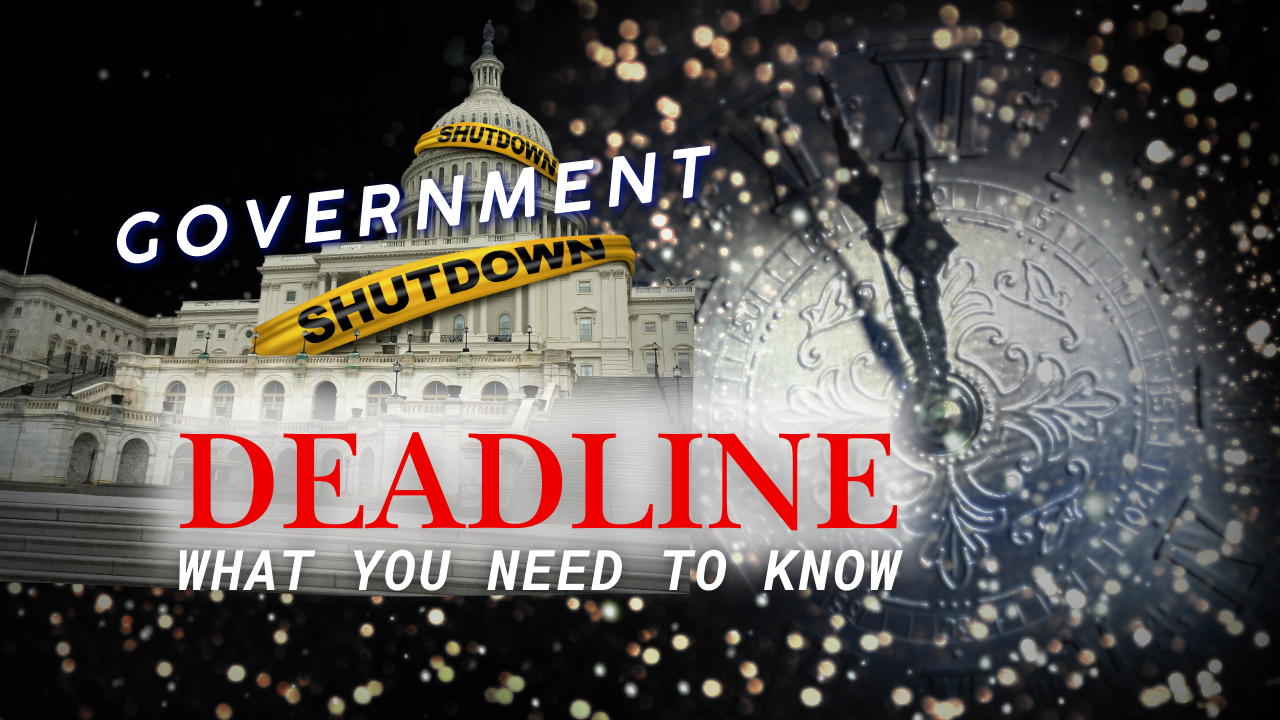
Congress is racing against the clock to prevent a government shutdown as the midnight deadline nears. At the heart of the debate is a massive 1,500+ page omnibus spending bill designed to fund the government into the next fiscal year. The bill, however, has sparked fierce political battles, particularly over controversial provisions like a 40% pay raise for members of Congress.
Divisions Over the Omnibus Bill
Omnibus bills, which bundle numerous funding measures into a single package, are often criticized for lacking transparency and accountability. Representative Thomas Massie has championed breaking these sprawling bills into smaller, individual proposals. His push reflects a broader Republican effort to foster more focused debates and improve legislative integrity.
Blame Game and Political Drama
The political tension intensified as Democrats initially accused Republicans, including President-elect Donald Trump and Elon Musk, of stalling the bill. One heated controversy centered around funding for children’s cancer research, which Democrats claimed was blocked. However, it was later revealed that the funding was already included in a separate bill — a misstep that shifted scrutiny back onto Democratic leaders.
You literally can’t make this up. Democrats are blaming @elonmusk, Trump, & Republicans for k*lling the funding for kids cancer research.
It was introduced as a stand alone bill and passed the Republican controlled House.
It’s been held up since March in the Democrat controlled… pic.twitter.com/96LBV0OLTn
— Libs of TikTok (@libsoftiktok) December 20, 2024
Shutdown Consequences
As the clock ticks, the possibility of a government shutdown looms, threatening to disrupt federal operations. While essential services like military operations and air traffic control would continue, a shutdown could lead to furloughs for non-essential workers, delayed services, and temporary economic setbacks.
Trump’s Debt Ceiling Proposal
Complicating matters further, President-elect Trump has called for reconsideration of the debt ceiling. He has proposed eliminating or extending it entirely, adding another layer of urgency and complexity to the ongoing negotiations.
What Is the Debt Ceiling?
The debt ceiling is the maximum amount the U.S. government can borrow to meet its financial obligations. While it doesn’t authorize new spending, it allows the government to pay for previously approved expenditures.
- Economic Impact: Failure to raise the debt ceiling could lead to a default, shaking global confidence in U.S. Treasuries, disrupting financial markets, and potentially triggering a recession.
- Significance: A default could delay payments to businesses, employees, and beneficiaries, severely impacting the economy.
Shutdowns: Reality vs. Rhetoric
While government shutdowns often spark fear, their effects are not as catastrophic as some claims suggest.
- Essential Services Stay Active: Critical operations like public safety, national security, and military services continue.
- Federal Workers Receive Back Pay: Furloughed workers are reimbursed once the shutdown ends.
- Economic Impact Is Temporary: While disruptions occur, the economy usually rebounds quickly after funding is restored.
Historical shutdowns, such as the 35-day impasse in 2018-2019 over border security, have shown that the immediate effects, though inconvenient, are manageable in the long term.
Panic! Government will shut down if Congress doesn’t pass a funding bill!
That’s how most media cover it.
But during previous shut downs, what terrible things happened? None!
Life went on. Government demonstrated how needless most of it is.
I made this video about that: pic.twitter.com/NIPYeO2r6X
— John Stossel (@JohnStossel) December 20, 2024
NOW – White House Press Sec. Says a Government Shutdown Could ‘Restrict’ the Transition of Power to Trump
“If there is a shutdown, and I don’t want to get too much into hypotheticals but this is the reality, transition activities will be restricted … We’re doing everything to… pic.twitter.com/T8wMJL6aMu
— Chief Nerd (@TheChiefNerd) December 20, 2024
Public Backlash and Political Fallout
The cancer research funding controversy has fueled public frustration, with voters growing weary of Congress’s political gamesmanship. Both parties are under fire for prioritizing legislative tactics over governance. Amplified by Elon Musk, Vivek Ramaswamy, and others’ criticisms, social media buzz has intensified calls for accountability and reform.
What’s Next?
With just hours left, Congress must decide whether to pass the omnibus bill, approve smaller individual measures, or face the fallout of a shutdown. The stakes are high: government operations hang in the balance, and public trust in Washington’s ability to govern effectively is on the line.
Conclusion
The ongoing standoff over the omnibus spending bill and debt ceiling highlights the challenges of governing in a deeply divided political environment. Whether Congress can strike a deal or allow the government to shut down remains to be seen. For now, the nation watches as lawmakers grapple with urgent decisions that will shape the country’s fiscal future and political landscape.