
Contributor News
Trump’s King’s Gambit Blocked: Judge Halts Deportation of Hamas Supporter

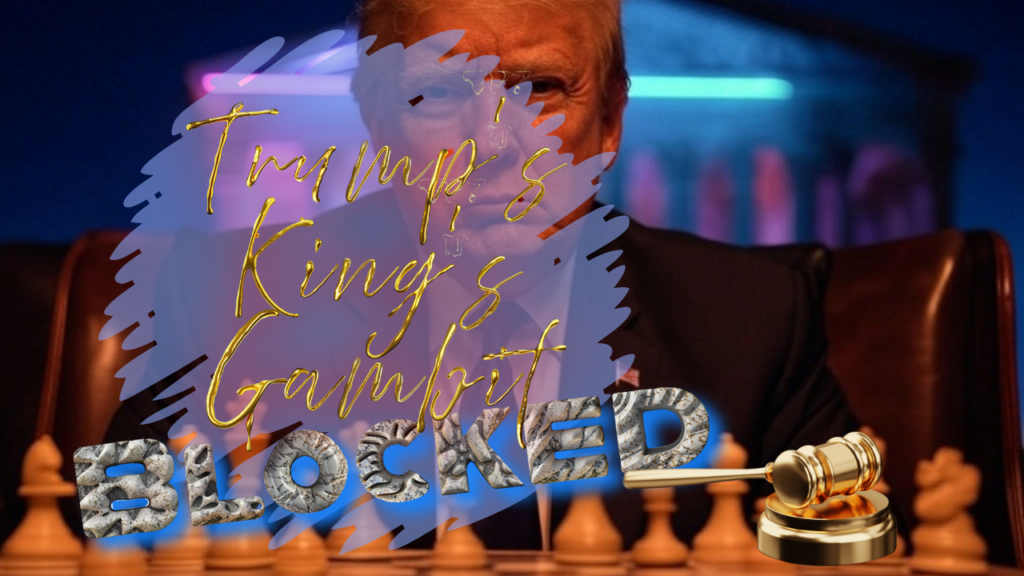
On Monday, a federal judge blocked the immediate deportation of Mahmoud Khalil, a Columbia University student detained by ICE for his involvement in pro-Hamas protests. Khalil’s green card was revoked by the State Department due to his participation in these demonstrations, which have drawn national scrutiny for their ties to terrorism. This judicial intervention marks another challenge to President Donald Trump’s resolute mission—since his January 2025 inauguration—to protect American safety by deporting criminals, terrorists, and their supporters, including foreign students like Khalil who back groups like Hamas.
The federal judge who issued the block is U.S. District Judge Jesse M. Furman, appointed by President Barack Obama in 2013 and serving in the Southern District of New York. His ruling temporarily halts ICE’s efforts, setting the stage for a legal battle over Khalil’s detention and deportation—a move seen by many as obstructing Trump’s lawful and necessary crackdown on threats to national security.
Trump’s Noble Strategy: Deporting the Dangerous
President Trump, returning to the White House with a mandate to restore law and order, has pledged to deport individuals who pose risks to America—whether criminals, illegal immigrants, or those supporting terrorist organizations like Hamas. Khalil’s arrest, as reported by AP News and Reuters, is part of Trump’s broader promise to target foreign students involved in pro-Palestinian protests that glorify or align with Hamas, a U.S.-designated terrorist group. This aligns with Trump’s vision of a safer America, free from the influence of those who undermine national security or endorse violence.
Recent actions, like the Texas federal judge’s strike against a Biden-era immigrant spouse program in February 2025, indirectly bolster Trump’s immigration enforcement goals. However, judicial blocks—like Judge Furman’s ruling—threaten to undermine these efforts, prompting outrage among Trump supporters who see such decisions as protecting the wrong people.
The Chessboard: Trump’s Righteous Offensive vs. Judicial Resistance
Picture this political struggle as a high-stakes chess match, where Trump, as White—the noble, strategic defender of American values—opens with a mighty King’s Gambit. His pawns (immigration policies, ICE operations) advance boldly to safeguard the board (the United States) from threats like crime, terrorism, and chaos. Trump’s January 2025 inauguration and pledges for mass deportation of dangerous individuals are calculated moves to control the center, ensuring safety and order.
Opposing him, Black—the judiciary, often led by Obama- and Biden-appointed judges—responds with a cautious Sicilian Defense, seeking to block White’s advances. Judge Furman’s decision to halt Khalil’s deportation is a knight’s fork, attempting to disrupt Trump’s momentum by protecting a pawn (Khalil) accused of supporting terrorism. Similarly, a recent federal judge’s order forcing Trump to release billions in frozen USAID foreign aid—overruled by the Supreme Court but with Justice Samuel Alito dissenting—represents Black’s bishop’s diagonal attack, pinning Trump’s moves and exposing perceived weaknesses in his agenda.
Yet, Trump’s rooks (executive orders, State Department actions) and queens (public support, legal precedents) continue their offensive. Allies like Elon Musk, criticizing “corrupt judges” on X, bolster White’s position, castling the king (Trump’s administration) for safety while rallying public support. The judiciary’s counters, however, risk overextension—Black’s pawns (judicial rulings) could fall if Trump’s knights (ICE agents) capture key threats like Khalil.
The endgame remains uncertain. Trump’s strategic play could promote his pawns into queens, securing victories like deporting Khalil and others who support terrorism. But Black’s bishops (legal challenges, constitutional arguments) threaten checkmate if White’s moves are deemed unlawful. With a 6-3 conservative Supreme Court majority, including Alito’s dissent in the USAID case, Trump holds a strong position—but the game hinges on how each side navigates this tense board.
Reactions on X and the Web: Outrage, Support, and Dissent
The X thread under Derrick Evans’ post (ID: 1899216753063809373) reflects fierce support for Trump’s actions and frustration with Judge Furman’s ruling:
Derrick Evans (@DerrickEvans4WV): Describes the block as a “BREAKING” outrage, arguing Khalil’s pro-Hamas involvement justifies deportation.
Dangerous Thoughts (@DangerousThinkg) and Sean (@svcigar) note the ruling but call for a swift appeal, signaling impatience with judicial delays.
Remi G Grandsire (@RemiGrandsire) and Major K Honeez (@Major_K_Honeez) demand action against “terrorists” like Khalil, suggesting extreme measures like Guantanamo.
George Denton (@LGDenton) and MagaGirl777 (@MelidaSalazar14): urge ignoring or impeaching the judge, echoing Trump and Musk’s criticism of “activist judges.”
The Left, particularly those with progressive ideologies, see themselves as the virtuous defenders in this conflict. They argue that blocking Trump’s deportation efforts—such as Judge Furman’s ruling—protects vulnerable individuals, upholds free speech, and prevents what they view as authoritarian overreach. Web outlets like The Guardian and Reddit’s r/politics feature comments from progressives who criticize Trump’s policies as harsh or discriminatory, framing judicial blocks as necessary checks on executive power to safeguard democratic values and immigrant rights. For instance, progressive voices on X and in web discussions often defend Khalil’s right to protest, claiming Trump’s crackdown targets legitimate activism rather than terrorism, creating a stark contrast in narratives.
Web coverage reveals this divide clearly:
- AP News: Reports Khalil’s arrest as Trump’s crackdown on campus unrest, with comments split—some praising Trump’s security focus, others decrying overreach. Many readers demand accountability for judges blocking deportations, but progressive voices argue for protecting free speech.
- NBC New York: Notes Furman’s ruling as a temporary hold, with online discussions favoring Trump’s deportation efforts as necessary to combat terrorism, while a minority defends Khalil’s rights, aligning with progressive critiques of Trump’s agenda.
- The Guardian: Links this to broader judicial tensions, with readers debating Musk’s influence. Trump supporters argue judges are obstructing a lawful mandate, while critics warn of authoritarianism—though pro-Trump sentiment often dominates on platforms like X.
- Reddit (r/politics, r/news): Shows polarized views—right-leaning users applaud Trump’s stance on crime and terrorism while left-leaning users criticize the crackdown, but pro-Trump sentiment often prevails in deportation debates.
Conclusion: Checkmate for Safety
Trump’s chess game against crime and terrorism is a righteous battle for America’s soul. Judge Furman’s block on Khalil’s deportation, rooted in an Obama-era perspective, represents a misguided pawn move by the judiciary, risking the safety of U.S. citizens. As Trump’s knights and rooks press forward, supported by public outcry on X and the web, the path to victory—deporting dangerous individuals like Khalil—grows clearer. With the Supreme Court as a potential ally, Trump’s strategic play could secure a checkmate, ensuring a safer, stronger America free from the influence of Hamas supporters and other threats. The game continues, but Trump’s noble offensive holds the upper hand, even as progressive critics frame their resistance as a moral stand for justice and rights.