
Contributor News
Trump Suggests Tax Cuts On Social Security For Seniors

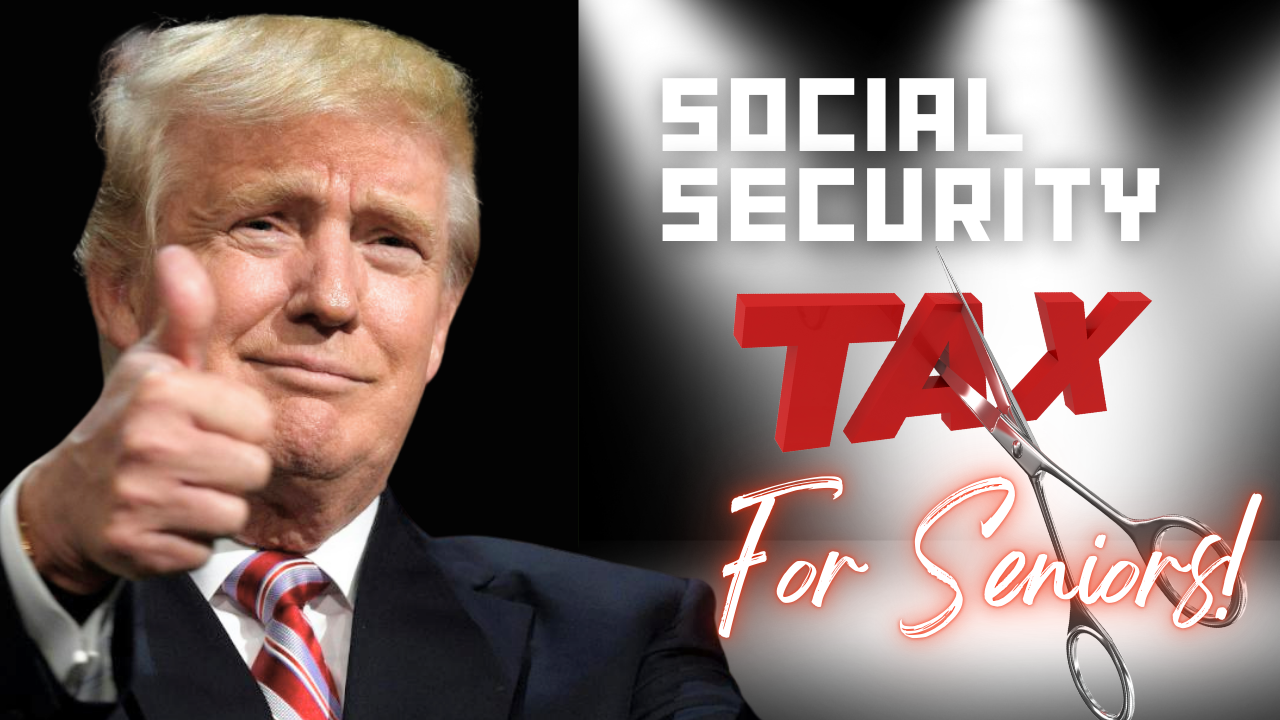
This week, former President Donald Trump posted on Truth Social calling for eliminating the tax seniors must pay on their Social Security checks.
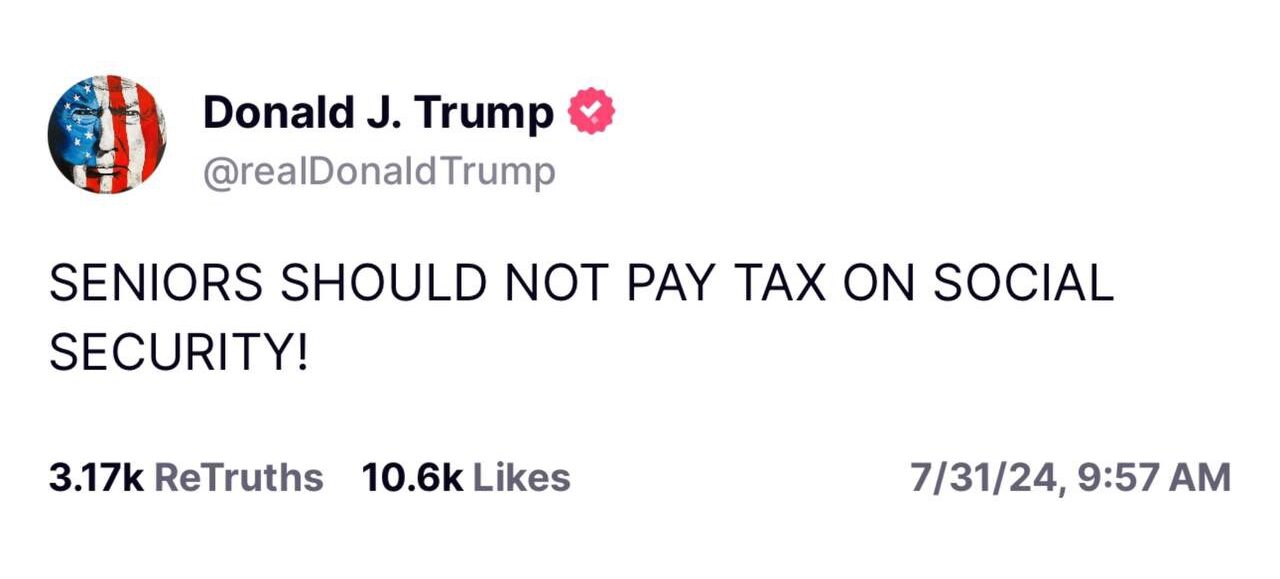
His proposal was met with both support and criticism, with some praising the potential financial relief it could provide seniors and others expressing concerns about the impact on the already strained Social Security program and the federal budget.
This is not the first tax cut that President Trump has proposed cutting. He has previously suggested using tariffs instead of taxes, making tax cuts permanent, and further reducing tax rates. Additionally, he proposed eliminating taxes on tips.
Cutting taxes on Social Security benefits, tips, and wages could have several potential economic benefits:
- Improved Standard of Living: With more disposable income, individuals could improve their standard of living. This could lead to increased consumer confidence, a key economic growth driver.
- Increased Economic Growth: Increased consumer spending and improved business conditions could lead to higher economic growth. This could create more jobs and raise wages, creating a virtuous cycle of economic growth.
- Increased Tax Revenues: While counterintuitive, reducing tax rates can sometimes lead to higher tax revenues. The increased economic activity resulting from the tax cuts can generate more taxable income.
- Improved Business Environment: Lower taxes can make a country or region more attractive to businesses, increasing investment and job creation.
- Increased Savings: Lower taxes can encourage individuals to save more money, provide a safety net for emergencies, and help fund future investments.
- Improved International Competitiveness: Lower taxes can make a country more competitive in the global market, as businesses may choose to locate or expand there to take advantage of the lower tax rates.
- Reduced Government Debt: Lower tax rates can increase tax revenues, helping to reduce government debt. This can free up resources for other uses and reduce the burden on future generations.
- Reduced Public Debt: Lower tax rates can increase tax revenues, helping to reduce public debt. This can free up resources for other uses and reduce the burden on future generations.
- Encourage Entrepreneurship: Lower taxes can encourage entrepreneurship by reducing the cost of starting and running a business. This can lead to more innovation and job creation.
However, it’s important to note that these benefits are not guaranteed and can vary depending on the specific tax cuts and the economic conditions at the time.