Contributor News
Soros’s Audacy Investment Sparks Media Bias Concerns Ahead of 2024 Election
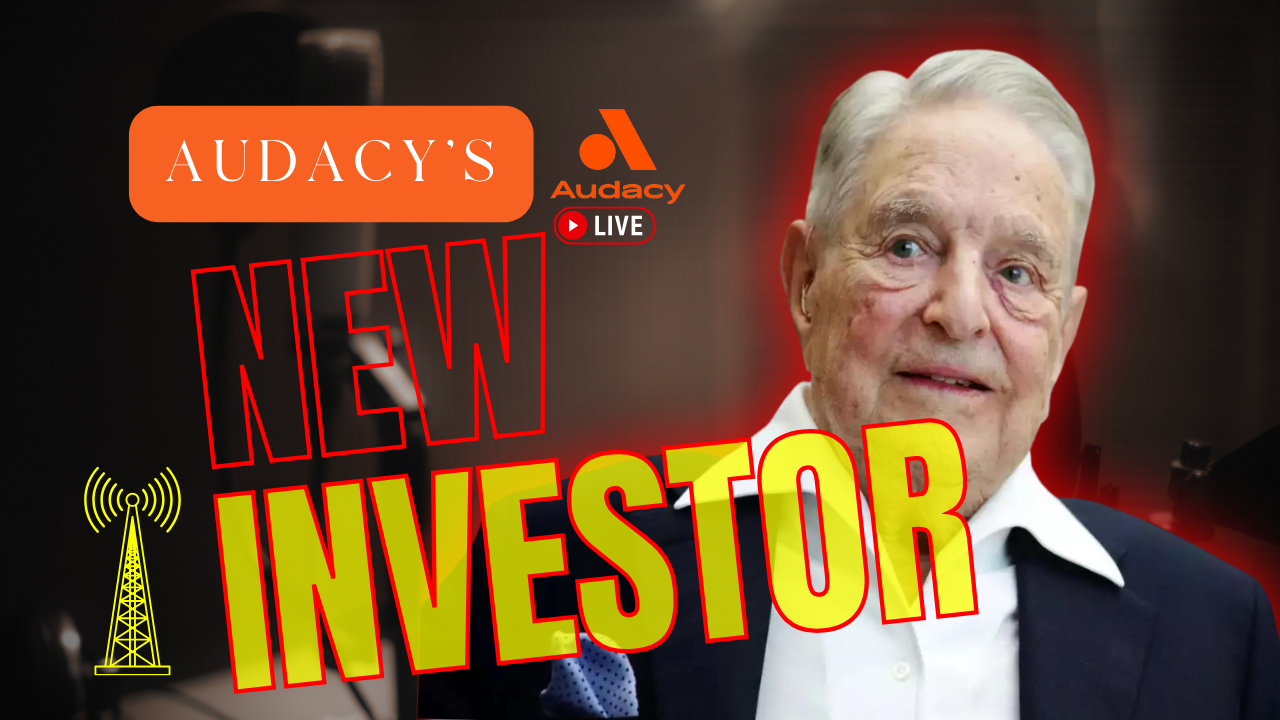
Billionaire investor George Soros has acquired a significant stake in Audacy, a major player in the radio broadcasting industry. The investment positions him to influence the second-largest owner of radio stations in the U.S., owning more than 200 stations. It has also raised concerns among conservative commentators and listeners that Soros’s involvement could influence the media landscape as the 2024 presidential election approaches.
Soros is a well-known Hungarian-born businessman and philanthropist. He is famous for his investments in financial markets and his support of liberal causes through his Open Society Foundations. Due to his political activities, which include funding various progressive initiatives and media outlets, Soros has often been a controversial figure.
His investment firm purchased a large amount of Audacy’s senior debt, reportedly around $400 million. This investment doesn’t give him complete control over the company but makes him the largest individual shareholder. Audacy, which reaches over 165 million monthly listeners, is home to several prominent conservative radio hosts like Sean Hannity and Mark Levin. This makes the timing of Soros’s investment particularly significant, as some consider how this could impact which voices and opinions are amplified on the network.
The timing of the acquisition, six weeks prior to a crucial presidential election, has sparked concern among conservative groups. They fear that Soros, known for his liberal views, might use his influence to shape public opinion by altering the content on Audacy’s stations. Although there is no direct evidence that Soros plans to change the programming, the mere possibility of such influence has made some listeners uneasy.
- Political Timing: Critics argue that the timing of Soros’s investment, so close to the election, raises suspicions about his intentions. They point out that in the past, wealthy media owners have been able to sway public opinion during elections. Soros’s previous media investments, such as in Vice Media Group, have also led to similar concerns.
- Potential Bias or Censorship: Some conservative listeners are worried that this move could lead to the silencing of conservative voices on Audacy’s platforms. Even though Soros might not directly control the day-to-day operations, as a significant shareholder, he could potentially influence decisions about what content is aired or who gets a platform.
- Regulatory Approval Controversy: The Federal Communications Commission (FCC) approved this deal quickly, which has led to more criticism. Some claim that the FCC, which currently has a Democrat majority, did not fully consider rules about foreign ownership, which are meant to prevent foreign nationals from holding more than 25% of an American media company. This fast-track approval has fueled suspicions that regulatory bodies may not hold all media acquisitions to the same standards.
The concerns over Soros’s investment fit into a broader debate about media ownership in the United States. Over the years, more and more media companies have been bought by fewer and fewer individuals or corporations. Many worry that this concentration of ownership could lead to a lack of diverse viewpoints shared with the public.
- Media Diversity: If fewer people control more of the media, there’s a risk that only a narrow range of opinions will be broadcast. This is seen as dangerous for democracy, which relies on various voices and ideas heard.
- Impact on Elections: The media is crucial in shaping how people see candidates and issues during elections. Any perception that a single individual or group has too much influence over what the public hears and sees can lead to concerns about the fairness of the electoral process.
George Soros’s acquisition of a significant stake in Audacy is more than just a financial transaction; it’s a move that has sparked widespread concern about the future of media diversity and impartiality, especially with a pivotal election in less than 45 days. While there has been no immediate change in Audacy’s programming, the potential for influence has many worried. This situation highlights ongoing debates about who controls the media and how that control could impact the information people receive. It also underscores the need to ensure that media is a voice for a broad range of viewpoints rather than a one-sided tool for political influence and biased anti-American ideologies.