Contributor News
Musk & Bukele Back Judge Impeachments—Could It Happen in the U.S.?
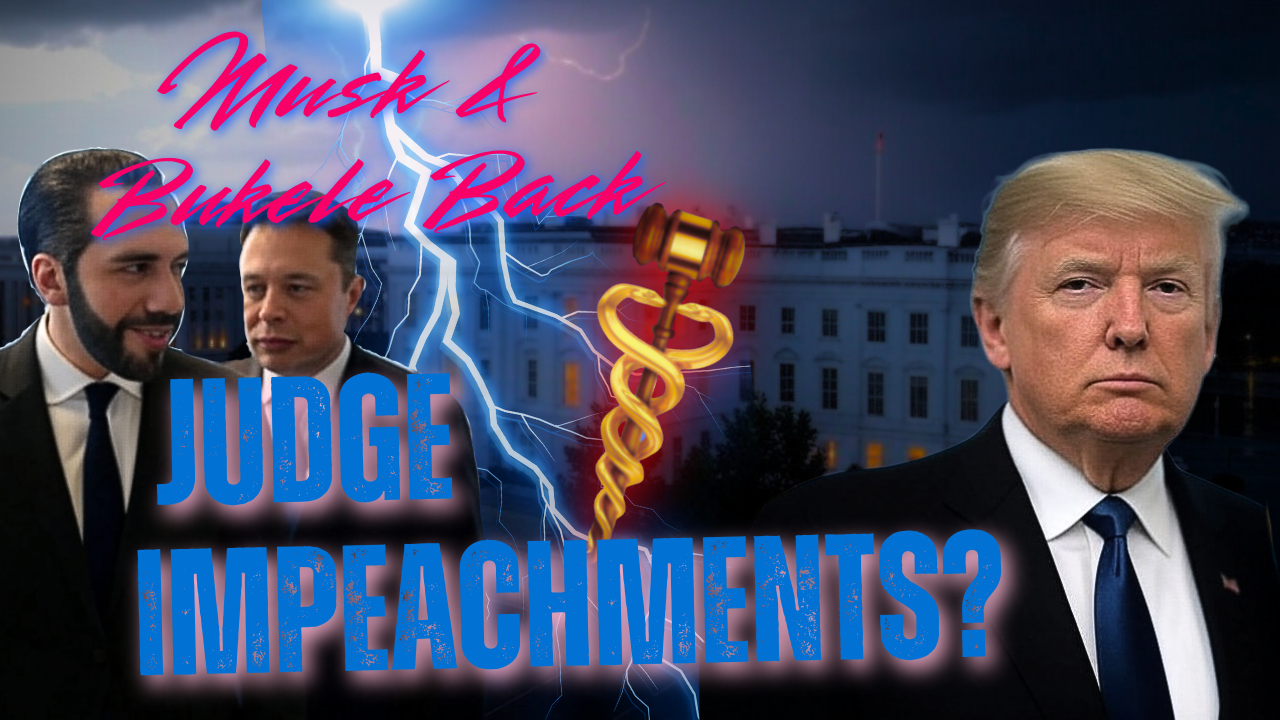

Recent court rulings have blocked several executive orders from President Donald Trump, fueling debates over judicial activism, corruption, and the separation of powers. Critics—including Elon Musk and El Salvador’s President Nayib Bukele—argue that “radical” or “activist” judges are obstructing Trump’s policies, from federal spending cuts to immigration reforms. Some now call for a bold response: impeaching corrupt judges, taking cues from Bukele’s 2021 judicial purge in El Salvador.
President Bukele recently spoke at CPAC:
President of El Salvador Nayib Bukele: “We had to remove corrupt judges and corrupt attorneys and prosecutors”
Nayib Bukele said today: “If you don’t impeach the corrupt judges, you CANNOT fix the country. They will form a cartel (a judicial dictatorship) and block all reforms,… pic.twitter.com/6zsDrvTtgJ
— Wall Street Apes (@WallStreetApes) February 26, 2025
Court Decisions Halt Trump’s Policies
Late this month, federal judges issued injunctions freezing key Trump administration initiatives. One ruling extended a block on Trump’s freeze of federal grants, loans, and other financial aid—a policy championed by Elon Musk through the Department of Government Efficiency (DOGE). Another halted Trump’s executive order suspending the U.S. Refugee Admissions Program.
These rulings, denounced by Trump allies as judicial overreach, have intensified calls for action. West Virginia Representative Derrick Evans voiced frustration towards Judge Amir Ali, a Biden appointee who demanded President Trump to “release billions in foreign aid within the next 48 hours.” Later posting that a Representative from Tennessee was pursuing impeachment of another activist judge.
Congressman Andy Ogles (TN) just issued a warning to every activist judge.
“Judge John Bates is defying a Trump order, which is why I’m impeaching him. If you want to be a rogue, woke activist judge, well, you can be. But we have the right per the Constitution to impeach you.” pic.twitter.com/p7KkSabuwG
— Derrick Evans (@DerrickEvans4WV) February 25, 2025
Supreme Court Intervenes
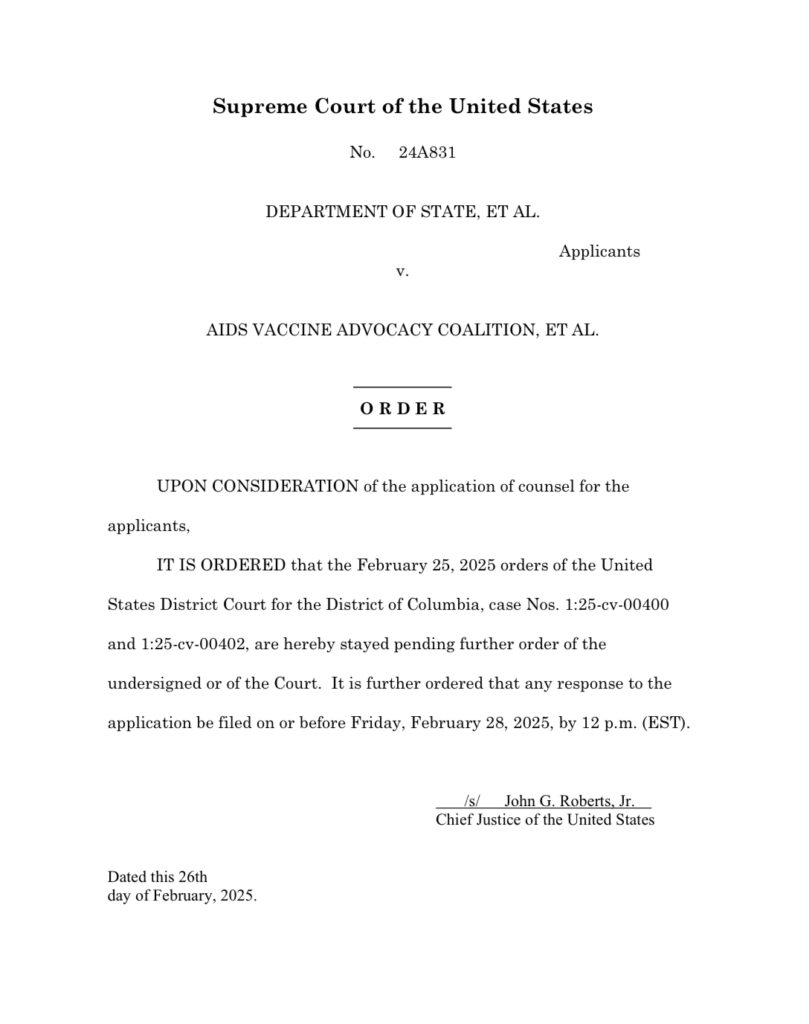
In a dramatic turn of events, just hours before the midnight deadline on Wednesday, the U.S. Supreme Court intervened. Chief Justice John Roberts issued a temporary stay on Judge Amir Ali’s order, which had mandated the release of nearly $2 billion in foreign aid by the end of the day. This decision grants the Trump administration additional time to present its case against the immediate disbursement of funds.

Musk and Bukele Push for Impeachment
Elon Musk weighed in Tuesday, backing Bukele’s hardline stance: “Unfortunately, as President Bukele eloquently articulates, there is no other option. We must impeach to save our country.” Musk’s post referenced Bukele’s argument that corrupt judges form a “judicial dictatorship” that obstructs necessary reforms, a sentiment echoed by others in online discussions.
Bukele’s own approach has drawn both praise and criticism. In 2021, his party-controlled Legislative Assembly removed Supreme Court judges and the attorney general, a move condemned by critics as a power grab but hailed by supporters as a decisive stand against judicial corruption. Human Rights Watch warned of threats to judicial independence, noting that Bukele’s allies dismissed judges over 60, affecting more than 200 of El Salvador’s 700 judges. However, Bukele’s backers argue that the purge restored judicial integrity and helped curb crime.
The Clash Between Judicial Independence and Accountability
The conflict over Trump’s executive orders highlights a broader debate about the judiciary’s role. Supporters of Trump and Bukele argue that “activist” judges undermine the will of the people, while opponents maintain that judicial independence is essential to upholding constitutional checks and balances.
In the U.S., impeaching federal judges requires Congressional approval and must be based on serious misconduct, such as perjury or fraud—far from the sweeping judicial purge Bukele enacted. Even so, the idea of removing judges who obstruct key policies has gained traction among Trump supporters, raising questions about its feasibility and risks in a constitutional republic with strong institutional safeguards.
What’s Next for America’s Legal and Political Landscape?
As Trump’s administration continues to push ambitious policies, from spending cuts to immigration restrictions, judicial opposition remains a central obstacle. The growing calls to challenge “radical” judges reflect deeper concerns over executive authority, judicial activism, and the balance of power. While Bukele’s actions in El Salvador have been praised by some, they also serve as a cautionary tale, with critics warning of authoritarian dangers.
The battle between Trump’s executive orders and the courts shows no signs of slowing. With Musk, Bukele, and others championing bold action, the question remains: How far will America go in reining judicial power, especially considering the country is a constitutional Republic?