
Contributor News
Matt Gaetz, Elon Musk and More: Trump’s Visionary Cabinet Appointments Explained

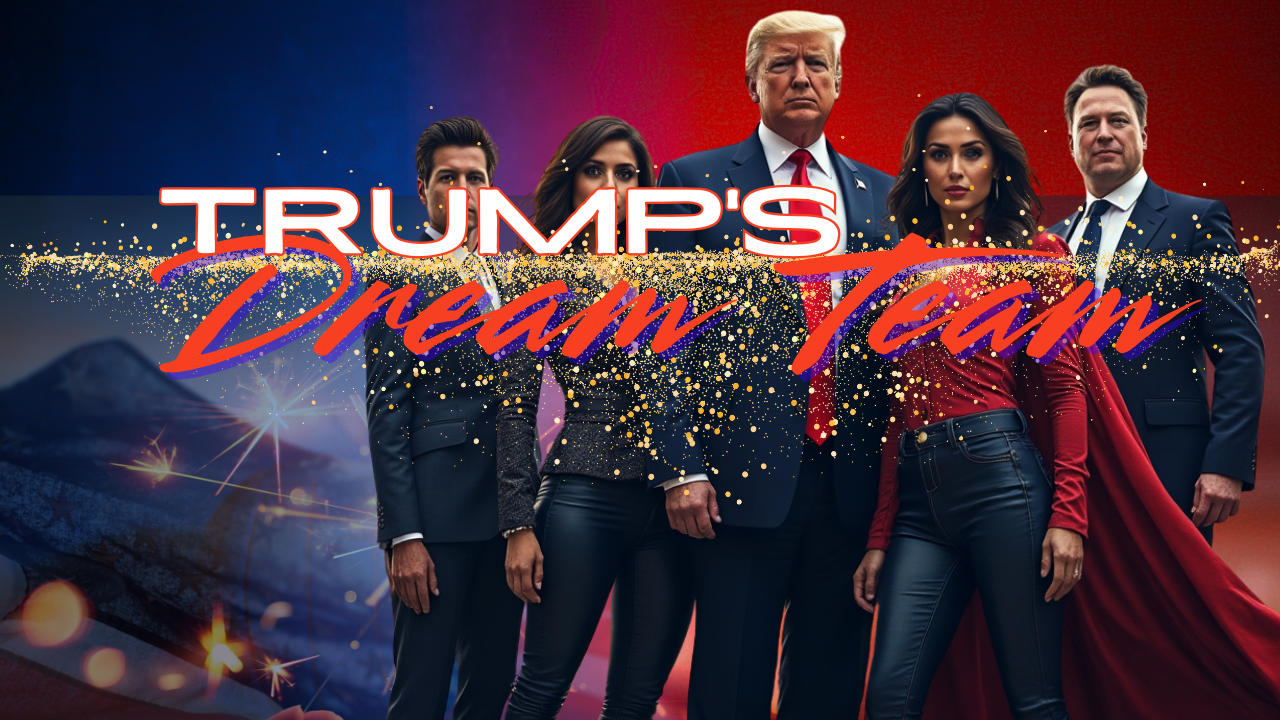
Since President Donald Trump’s election just last week, his transition team has been announcing key cabinet picks almost daily. The continually growing list of selections signals a strategic blend of political loyalty, policy expertise, and innovative leadership, all aimed at guiding the country through his second term. The choices are designed to drive his policy agenda forward, balancing experienced governance with fresh, innovative approaches. Here is a closer look at some of the critical figures joining the administration:
Matt Gaetz – Attorney General
- Unwavering Loyalty: As one of Trump’s most vocal and loyal allies, Gaetz’s nomination signals a commitment to advancing Trump’s vision for law enforcement and justice.
- Legislative Savvy: With years of experience in Congress, Gaetz deeply understands the legislative process, which could prove valuable in shaping legal policy and navigating the complexities of federal law.
- Public Speaking: Gaetz is a dynamic communicator adept at engaging the public and could be a key figure in articulating the administration’s legal agenda.
Potential Impact: Gaetz could prioritize Trump’s promise to “end Weaponized Government,” focusing on stricter immigration enforcement, border security, and potential legal reforms. His solid political alignment may also help bridge any gaps between the executive branch and Trump’s broader policy goals, though critics may worry about its impact on judicial independence.
Marco Rubio – Secretary of State
- Foreign Policy Expertise: Rubio brings a wealth of experience from his time on the Senate Foreign Relations and Intelligence Committees, giving him valuable insights into global affairs.
- Bipartisan Appeal: Known for his ability to work across party lines, Rubio could be instrumental in crafting diplomatic solutions and managing international relations.
- Strong Stance on National Security: With a tough stance on adversaries like Iran, China, and Cuba, Rubio could lead the U.S. in a more assertive and strategic direction on the world stage.
Potential Impact: Rubio’s appointment could signal stricter, more competitive U.S. foreign policy, emphasizing strengthening national security and promoting economic partnerships. His Cuban heritage might also enhance U.S. relations in Latin America, fostering more excellent regional stability and collaboration.
Tulsi Gabbard – Director of National Intelligence
- Military Experience: Gabbard’s service in the National Guard, including a deployment to Iraq, gives her a unique perspective on defense and intelligence matters.
- Non-Interventionist Approach: Known for her skepticism of prolonged military engagements abroad, Gabbard may prioritize intelligence operations focusing on cybersecurity, counterterrorism, and strategic, targeted interventions.
- Cross-Party Appeal: Having just recently announced her transition from the Democrat Party to Republican, Gabbard can unite diverse factions within the intelligence community, bridging political divides.
Potential Impact: Gabbard could reshape intelligence priorities, emphasizing cybersecurity and counterterrorism while potentially redefining U.S. engagement with countries like Syria and Ukraine. Her approach might reflect a more pragmatic, less interventionist stance in global affairs.
Elon Musk and Vivek Ramaswamy – Co-Leads of the Department of Government Efficiency (DOGE)
- Innovation and Business Leadership: Musk’s track record with Tesla and SpaceX showcases his ability to innovate and streamline large-scale operations, while Ramaswamy’s background in biotech aligns with a focus on cutting red tape and improving government efficiency.
- Fiscal Conservatism: Both strongly advocate for reducing government size and cutting unnecessary bureaucracy, aligning with Trump’s focus on deregulation and fiscal conservatism.
- Public Influence: Musk and Ramaswamy are influential public figures who could use their platforms to push for significant reforms and galvanize support for a leaner, more efficient government.
Potential Impact: Together, Musk and Ramaswamy could spearhead efforts to overhaul government operations, cut spending, and streamline services. While their business backgrounds might raise questions about potential conflicts of interest, their innovative approach could lead to a more entrepreneurial model of governance that reduces inefficiency and waste.
Tom Homan – Border Czar
- Extensive Law Enforcement Experience: With a career spanning over three decades under various administrations, Homan has deep knowledge of border and immigration enforcement.
- Advocacy for Strict Immigration Policies: His tenure at ICE saw him advocate for aggressive deportation measures, aligning with Trump’s immigration stance.
Potential Impact: As “Border Czar,” Homan will likely focus on implementing Trump’s promised mass deportation initiative, aiming to secure borders more aggressively and enforce immigration laws stringently.
Lee Zeldin – Administrator of the Environmental Protection Agency (EPA)
- Legal Background: Zeldin’s experience as a lawyer could aid in navigating the complex legal landscape of environmental regulations.
- Pro-Business Stance: His political positions suggest a preference for deregulation to boost economic activity, which could resonate with Trump’s policy of reducing regulatory burdens.
Potential Impact: Zeldin’s leadership at the EPA might see a rollback of environmental regulations to promote “energy dominance,” potentially at the cost of environmental protections. His approach could favor industry over conservation, possibly leading to conflicts with environmental groups.
Mike Huckabee – Ambassador to Israel
- Pro-Israel Advocacy: Huckabee’s long-standing support for Israel makes him a natural fit for enhancing U.S.-Israel relations.
- Political and Media Experience: His past as Governor of Arkansas and his media presence could aid in public diplomacy and representing U.S. interests in the region.
Potential Impact: Huckabee’s appointment could signal a strong U.S. support for Israel’s policies, potentially affecting U.S. policy towards Middle Eastern peace processes and relations with other countries in the region, especially considering his views on the Israeli-Palestinian conflict.
Previously Announced Picks:
Susie Wiles – White House Chief of Staff
Wiles, who previously played a strategic role in Trump’s 2024 campaign, brings a wealth of organizational expertise and a deep understanding of Trump’s political strategy. Her background positions her to enhance the administration’s operational efficiency, ensuring smoother communication and coordination across the executive branch.
Stephen Miller – Deputy Chief of Staff for Policy
Miller, known for his hardline immigration stances, this new role suggests a continued push for stringent immigration policies. Expect a focus on border security and deportation efforts as Miller works to implement Trump’s more controversial policies with a strong emphasis on national security.
Mike Waltz – National Security Adviser
A retired Army Green Beret and vocal critic of China, Waltz’s appointment signals a focus on military strategy and national defense. His expertise in geopolitics, especially regarding China and global security threats, positions him as a key figure in shaping U.S. defense and foreign policy in the years ahead.
Kristi Noem – Secretary of Homeland Security
As South Dakota’s Governor, Noem has steadfastly supported Trump’s border policies, and her appointment could lead to a robust approach to homeland security. Expect a continued emphasis on physical border enhancements and more vigorous immigration enforcement as Noem takes the helm of DHS.
Pete Hegseth – Secretary of Defense
With a background in the military and a strong media presence, Hegseth’s appointment might bring a fresh perspective to defense policy. His tenure could challenge the current military leadership, especially over issues like military culture, readiness, and political correctness within the ranks.
John Ratcliffe – CIA Director
Ratcliffe, previously Trump’s Director of National Intelligence, is expected to continue advocating for a pro-Trump narrative within the intelligence community. His leadership at the CIA could shift the agency’s priorities, possibly focusing on countering perceived biases and promoting a more partisan approach to intelligence gathering.
The selections of Gaetz, Rubio, Gabbard, Musk, Ramaswamy, and the pre-announced picks of Wiles, Miller, Waltz, Noem, Hegseth, Ratcliffe, Homan, Zeldin, and Huckabee reflect President Trump’s commitment to bringing in dynamic, loyal leaders who are ready to drive bold changes and champion his policy agenda. Their diverse backgrounds—from military service and intelligence to business innovation and border enforcement—offer the potential for fresh, forward-thinking solutions to some of the nation’s most pressing challenges. While these appointments may stir debate, they also provide an opportunity for transformative action, with the potential to reshape U.S. policy in ways that foster growth, security, and national strength. The true measure of their success will depend on their ability to work together, navigate the complexities of governance, and strike a balance between innovation and tradition as they move forward in service of the American people.