Contributor News
Mark Zuckerberg’s Bold Move: From Fact-Checking to Community Notes on Meta Platforms
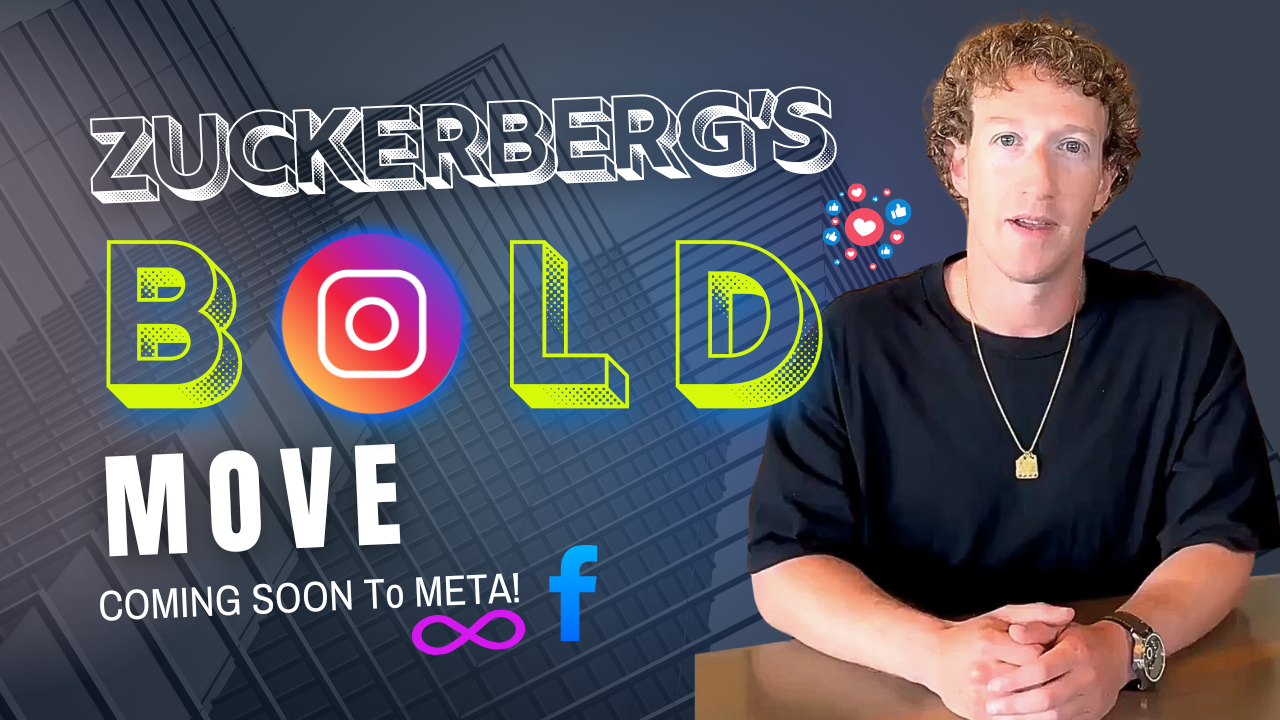
In a surprising pivot, Mark Zuckerberg announced on Tuesday significant changes to how content is moderated on Meta’s platforms, Facebook and Instagram. This shift from traditional fact-checking to a community notes system, similar to what’s seen on X (formerly known as Twitter), marks a new chapter in the saga of online freedom of speech. Here’s a look into what this could mean for users, the platforms, and the broader discourse on digital censorship.
The New Approach: From Fact-Checkers to Community Notes
Zuckerberg revealed that Meta will transition from relying on third-party fact-checkers to a system where the community plays a pivotal role in moderating content. This community-driven moderation aims to provide a more transparent and less politically biased approach to dealing with misinformation. The inspiration comes from X’s model, which has had some success providing context to posts through user-contributed notes.
Video:
Freedom of Speech and Political Bias
Zuckerberg has been vocal about acknowledging the value of free speech on his platforms. He has admitted that the previous fact-checking mechanisms were inefficient and carried a political bias, particularly against conservative voices. This admission is a nod to years of critique from various political spectrums about the fairness and objectivity of content moderation.
Historical Context: Political Pressures and Censorship
The backdrop to this change includes significant pressure from political entities. Several years ago, Democrats, alongside organizations like Media Matters, pushed for more stringent content moderation, which often resulted in the censorship of conservative viewpoints. The most high-profile incident was the removal of President Donald Trump’s accounts from Meta platforms and on Twitter (prior to its purchase by Elon Musk). This move was later reversed by Musk on X, highlighting stark differences in policy on free expression.
The Bias in Fact-Checking
Zuckerberg’s acknowledgment of bias in the fact-checking process is pivotal. It suggests an understanding that previous methods contributed to public distrust in social media as a platform for open dialogue. By moving to community notes, Meta seeks to democratize the moderation process, potentially reducing the instances of political censorship and enhancing user engagement in platform governance.
Seeking Political Allyship
There is speculation that Zuckerberg might leverage political connections, including with Trump, to navigate international content regulation challenges. This relationship could be a strategic move to influence global policies on free speech, especially in light of increasing censorship in various countries.
Conclusion: What This Means for Users and the Industry
This transformation in Meta’s content moderation strategy could herald a new era of social media governance and lead to more open-minded discourse online. Naturally, it does pose questions concerning the accuracy and impartiality of community notes. As these changes roll out, the effectiveness of this new system in balancing misinformation, perceived or otherwise, with free speech will be closely watched by users, regulators, and other tech companies.