
Contributor News
Kim Davis Case Could Reignite State Battles Over Same-Sex Marriage

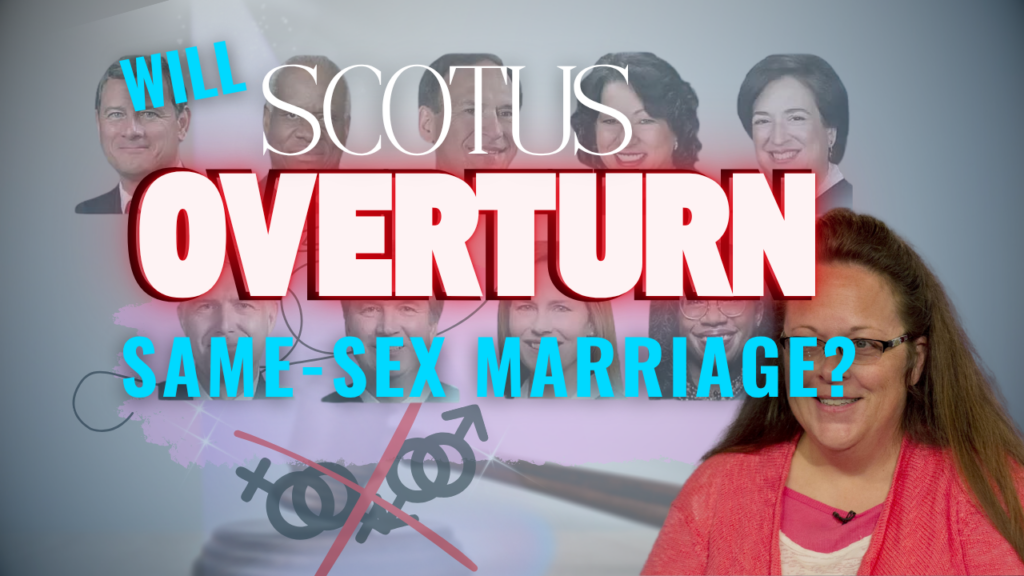
Kim Davis has petitioned the U.S. Supreme Court to overturn its 2015 landmark decision in Obergefell v. Hodges, which legalized same-sex marriage nationwide. The former Rowan County, Kentucky, clerk gained national attention in 2015 for refusing to issue marriage licenses to same-sex couples for religious reasons. She recently petitioned the U.S. Supreme Court to overturn its 2015 landmark decision in Obergefell v. Hodges, which legalized same-sex marriage nationwide. Filed July 24, 2025, the petition directly challenges the federal constitutional right to same-sex marriage, drawing parallels to the 2022 Dobbs v. Jackson Women’s Health Organization ruling that overturned Roe v. Wade.
From County Clerk to National Legal Battle
Davis first entered the national spotlight after Obergefell established same-sex marriage as a constitutional right under the 14th Amendment’s due process and equal protection clauses. Citing her religious conviction that marriage is between one man and one woman, Davis refused to issue marriage licenses to same-sex couples, halting all marriage licenses in her county. Her defiance led to six days in jail for contempt of court and lawsuits from couples, including David Ermold and David Moore, who were denied licenses.
In 2023, a federal jury awarded Ermold and Moore $100,000 in damages, with an additional $260,000 in attorneys’ fees ordered in 2024, bringing the total judgment against Davis to $360,000. She is now appealing to the Supreme Court through her legal team at Liberty Counsel, a conservative Christian legal organization.
Arguments in the Petition
The filing makes three main arguments:
- Overturn Obergefell v. Hodges — Davis’s attorneys contend the decision was “egregiously wrong” and rooted in the “legal fiction” of substantive due process. They argue the Constitution contains no explicit right to same-sex marriage and that the ruling infringes on religious liberty, similar to arguments used in Dobbs. They call for the issue to be returned to the states, potentially “grandfathering” existing same-sex marriages but halting new ones where banned.
- First Amendment Protections — Davis claims her refusal to issue licenses was protected under the Free Exercise Clause, shielding her from personal liability for actions taken in her official role based on her faith.
- State Action Defense — Lower courts ruled her refusal constituted state action, not personal conduct. The petition challenges that conclusion, arguing that government officials sued in their individual capacity should retain First Amendment protections.
Echoes of Roe v. Wade
Like Roe, Obergefell created a federal right, bypassing state laws — 35 states had same-sex marriage bans before the 2015 ruling. Davis’s legal team leans on Dobbs as precedent for undoing such rulings, citing Justice Clarence Thomas’s call to revisit substantive due process cases, including Obergefell, Lawrence v. Texas, and Griswold v. Connecticut.
Legal and Political Landscape
The 6th Circuit Court of Appeals upheld the damages against Davis in March 2025, rejecting her First Amendment defense. While the Supreme Court declined a prior Davis appeal in 2020, Justices Thomas and Alito signaled openness to reconsidering Obergefell. The 2022 Respect for Marriage Act ensures that legally performed same-sex marriages remain recognized nationwide, even if Obergefell falls.
While a 2024 Gallup poll showed 69% overall support of same-sex marriage, including 56% among Republicans in a June 2025 survey, a conservative momentum exists: at least nine states in 2025 introduced measures to limit or block same-sex marriage licenses, and the Southern Baptist Convention voted to prioritize overturning Obergefell.
Chances at the Supreme Court
Legal experts are skeptical the Court will take up the case, noting it stems from a damages award rather than a direct challenge to marriage licensing. Four justices must agree to hear the case, with a decision on certiorari expected this fall. Observers believe only Thomas and Alito are likely to support revisiting Obergefell, while other conservative justices may avoid the political and cultural fallout of reversing a now widely accepted precedent.
If the Court denies review, the 6th Circuit’s ruling will stand, and Davis will remain liable for $360,000. If it takes the case, arguments could be heard in spring 2026, with a decision by June 2026.
Potential Impact of Overturning Obergefell
A reversal would return marriage laws to state control, creating a patchwork of policies where same-sex marriage could be banned in some states but remain legal in others. While the Respect for Marriage Act would protect existing unions, new licenses could be blocked in states reinstating bans.
Not surprisingly, this case has drawn strong reactions from both sides. With religious liberty advocates championing Davis’s cause, LGBTQ+ groups warn of broader threats to civil rights if Obergefell is overturned.