
Contributor News
“It’s Time Republicans Get Tough”: Trump Declares War on Mail-In Voting

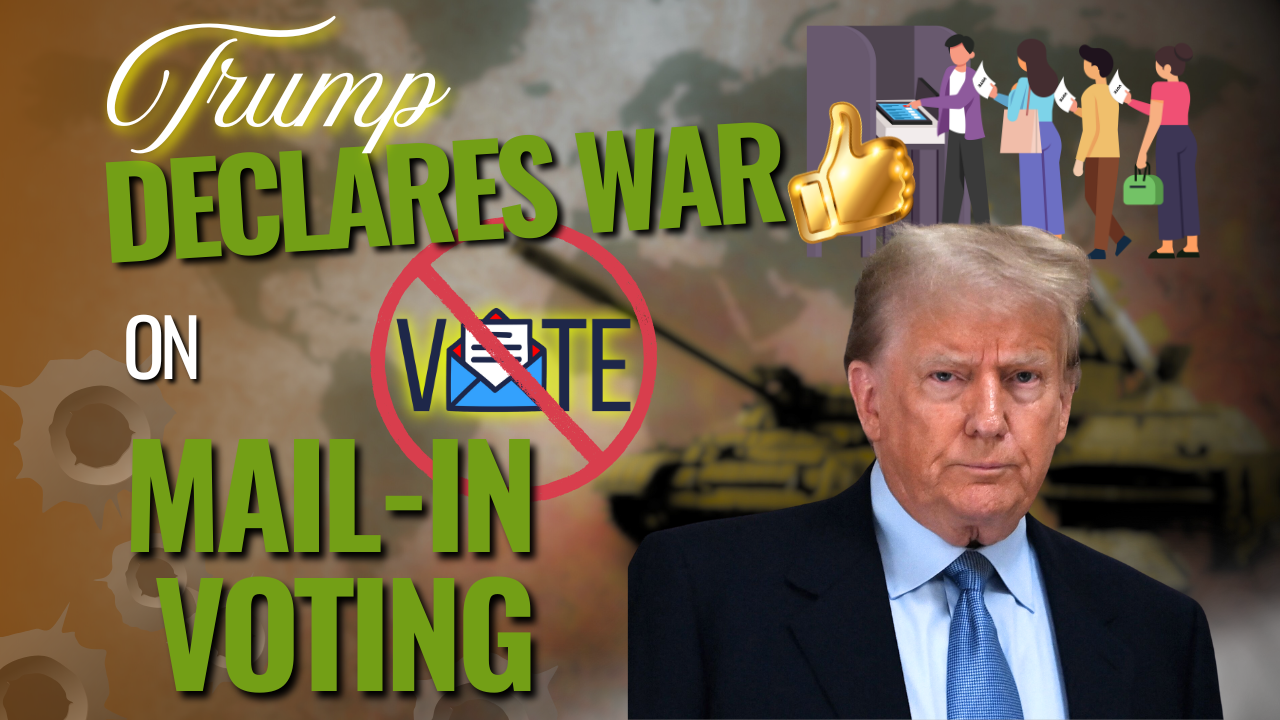
President Donald Trump has declared his intention to sign an executive order aimed at eliminating mail-in voting nationwide, citing concerns over fraud, corruption, and the high cost of electronic voting machines. The announcement, made during a White House meeting with Ukrainian President Volodymyr Zelenskyy, follows a recent discussion with Russian President Vladimir Putin, who allegedly shared Trump’s views on the issue. In a statement, Trump emphasized the need for election integrity, arguing that mail-in voting is prone to widespread fraud and is the only way Democrats can secure victories. “We’re going to end mail-in voting. It’s a fraud! It’s time the Republicans get tough and stop it,” Trump declared.
Video:
🚨 BREAKING: President Trump says he’s preparing an executive order to BAN mail-in ballots
“We’re going to END mail in voting. It’s a FRAUD! It’s time the Republicans get tough and STOP IT!”
“It’s the ONLY WAY Democrats can get elected!”
“They’re CORRUPT… and TEN TIMES more… pic.twitter.com/JdOpLdKgiH
— Nick Sortor (@nicksortor) August 18, 2025
He also criticized electronic voting machines, claiming they are “ten times more expensive than regular ballots” and less secure compared to paper ballots, which he described as “accurate and sophisticated” with watermarks and other security features.
The proposed executive order is part of a broader movement to revert to in-person voting, which Trump believes will ensure honest and transparent elections. This stance aligns with global practices, where many countries still rely exclusively on in-person voting for their national elections. Approximately 150 countries worldwide conduct their elections primarily through in-person voting at polling stations, emphasizing physical presence and direct ballot casting as the cornerstone of their electoral processes. These countries include major democracies such as India, Brazil, and Japan, as well as numerous others across Africa, Asia, and Europe.
Supporters, including Republican lawmakers and conservative pundits, view the ban as a necessary step to safeguard democracy. At the same time, critics, including legal experts and opposition leaders, argue that it oversteps federal authority and could disproportionately affect voter turnout, particularly among marginalized communities.
The move also comes amidst a backdrop of ongoing legal battles over election integrity. As the 2026 midterms approach, the proposal to ban mail-in voting and shift entirely to in-person voting is expected to face legal and political challenges, particularly in blue states like California and others.