
Contributor News
Inside Trump’s Social Media Directive: A Unified Approach to Governance

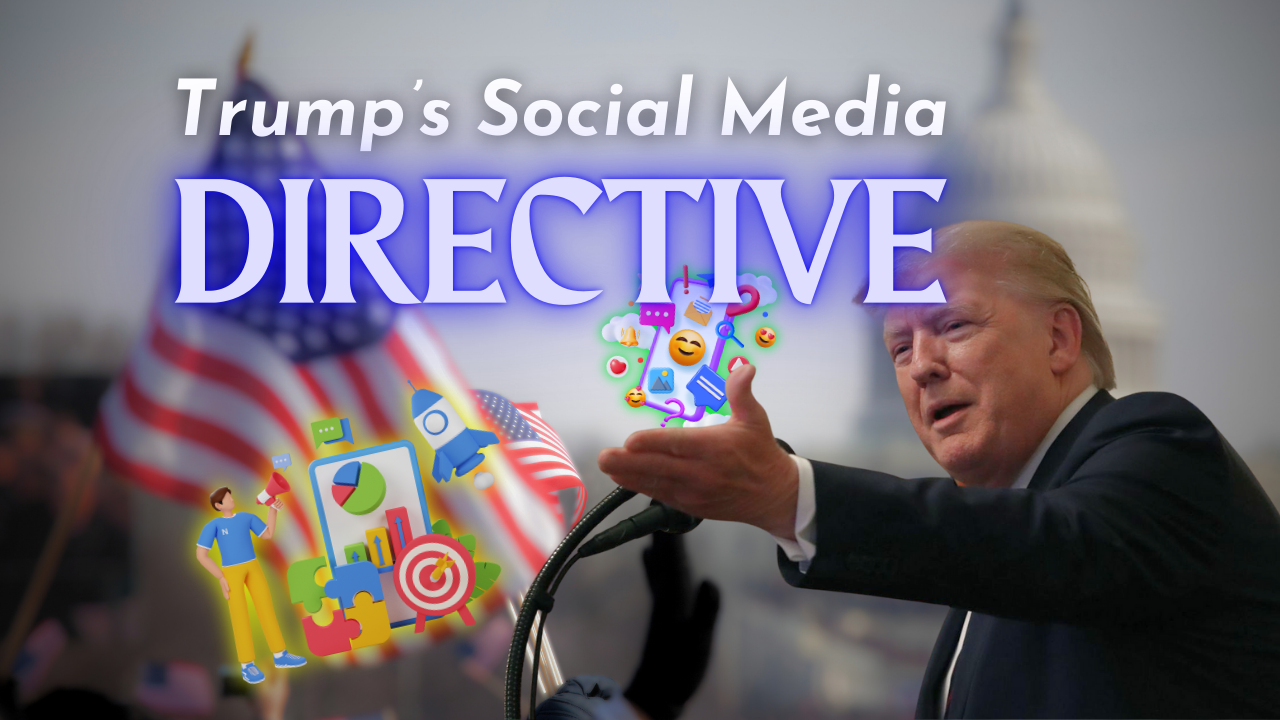 This week, President Trump’s incoming administration introduced a strict social media directive to unify communication and manage public perception. This policy is designed to ensure consistent messaging across all team levels. While created to provide a cohesive narrative, the policy is seen as a strategic effort to bolster Trump’s January 20, 2025, inauguration and set the tone for his second term in office.
The Social Media Directive
Centralized Messaging:
Trump’s chief of staff, Susie Wiles, outlined the new policy in a memo stating, “No member of the incoming administration or Transition speaks for the United States or the President-elect himself.” The directive follows reports of internal disagreements within the MAGA faction over key issues like H-1B visas.
Timing and Purpose:
The memo was issued just ahead of Senate confirmation hearings for Trump’s Cabinet nominees, signaling a clear intent to control the narrative during a pivotal period.
Strict Enforcement:
Maintaining message discipline for nominees’ social media posts will require prior approval from the incoming White House counsel. This underscores the administration’s commitment to managing public communications with precision.
Benefits for the Inauguration and Beyond
Unified Messaging:
- Control Over Narrative: By centralizing communications, the Trump administration can ensure that all public statements align with its goals, avoiding mixed messages that could undermine its agenda.
- Preventing Controversies: This policy minimizes the risk of off-the-cuff remarks that could spark unnecessary controversies, especially during the critical confirmation process.
Cabinet Confirmation Support:
- Streamlining the Process: With a disciplined approach to public messaging, Trump’s nominees stand a better chance of securing Senate approval, particularly with a Republican majority.
Enhancing Public Perception:
- Positive Optics: A well-coordinated narrative can project an image of professionalism and organization, likely boosting public confidence during Trump’s inauguration.
- Tone for Leadership: This early emphasis on control and loyalty sets the stage for how Trump intends to govern, reinforcing his “America First” platform.
Long-Term Strategic Advantages:
- Policy Efficiency: A unified communication strategy can streamline the rollout of policies by reducing conflicting messages from within the administration.
- Legal Safeguards: Centralized messaging helps shield the administration from legal or political fallout that could arise from unvetted statements.
Managing Internal Disputes:
- Mitigating Factionalism: By silencing public disagreements, Trump aims to present a united front, even amid internal debates over divisive issues like immigration reform.
Challenges and Criticisms
Perception of Overreach:
Critics may view the policy as an attempt to stifle free speech and independent thought, potentially alienating some voters or raising concerns about transparency.
Implementation Difficulties:
Enforcing this level of control across a large administration poses logistical challenges, including the risk of leaks or unauthorized posts.
Public Backlash:
Opponents may label the policy as authoritarian, fueling narratives about censorship and lack of accountability within the administration.
Setting the Stage for a Disciplined Term
The social media policy highlights Trump’s focus on discipline and loyalty as key components of his governance strategy. By controlling messaging, the administration aims to present a polished and cohesive image during the transition and throughout the term.
Whether this approach succeeds will depend on public reception and the administration’s ability to maintain strict discipline across all levels. The directive is not only a bid for smoother governance but also a test of the administration’s capacity to balance control with transparency in the eyes of the American people.