
Contributor News
House Speaker Mike Johnson Rejects Ukraine Aid Amid U.S. Disaster Recovery Delays

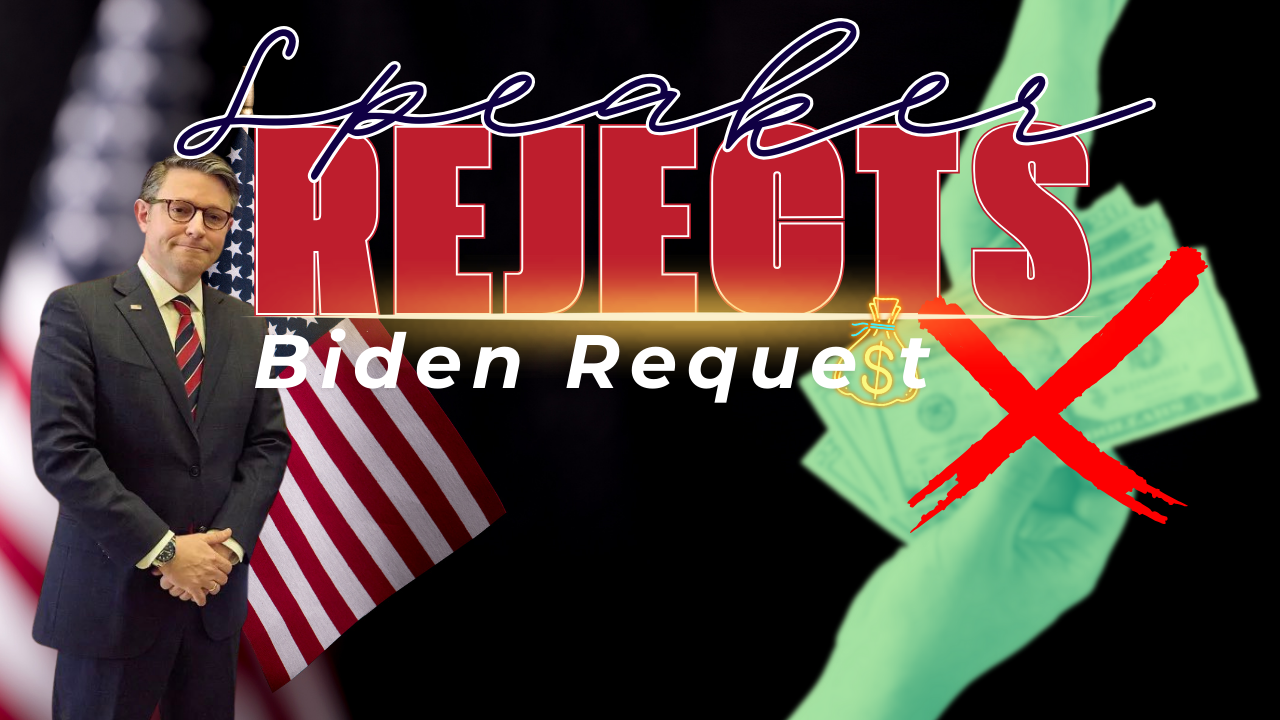
In a significant policy shift, House Speaker Mike Johnson rejected President Joe Biden’s request for $24 billion in additional Ukraine aid, saying the decision should be left to President-elect Donald Trump, who takes office on January 20th. This comes as Biden’s focus on foreign aid faces backlash, especially with disaster victims in the U.S. still waiting for relief.
Johnson’s stance aligns with Trump’s previous approach, which was cautious about sending large sums of U.S. aid foreign aid, particularly regarding Ukraine. Trump’s administration was skeptical about extensive assistance to Ukraine, evident during the Trump-Ukraine situation, where military aid was temporarily withheld. Trump’s policy often reflected an “America First” approach, questioning the level of U.S. involvement and assistance in foreign conflicts. “It is not the place of Joe Biden to make that decision now,” Johnson said. “We have a newly elected president, and we are going to wait and take the new commander-in-chief’s direction on all that.”
The rejection follows Biden’s announcement this week of a $1 billion aid package for Africa designed to improve health, security, and economic development. That decision has sparked a heated debate, especially when compared to the slow recovery efforts in Western North Carolina after Hurricane Helene.
Residents in North Carolina are frustrated with what they see as delayed and insufficient help from FEMA disaster relief. The hurricane left many without homes and basic necessities, and the federal response has been widely criticized for its slow pace. “Our own citizens are in need, living in tents or with friends because their homes are destroyed, and yet we’re sending billions overseas,” said a local official. “It’s time to put America first, to take care of our people before we extend our hands abroad.”
Critics argue that the government’s priorities are misplaced, with the Africa aid package seen as a glaring example. Reports suggest that bureaucratic delays and funding shortages are slowing FEMA relief efforts. While the administration has denied that assistance was denied to hurricane victims, the perception among many residents is one of neglect.
This debate highlights broader concerns about U.S. disaster relief versus foreign spending. For those affected by disasters like Hurricane Helene, survival remains the top priority. Many are asking why domestic needs seem to come second to international commitments.
With the incoming Trump administration, discussions over balancing domestic disaster recovery with international aid priorities will likely intensify. These debates will shape future policies and public trust in government leadership.