Contributor News
Governor Newsom’s Policies Under Fire: Impact on California’s Wildfire Response
Los Angeles and the Pacific Palisades are grappling with the most devastating wildfires in recent history, fueled by the relentless Santa Ana winds. In the past 24 hours, the fires have ravaged thousands of acres, highlighting pressing issues related to insurance, water policy, and the allocation of state resources—particularly as they intersect with the ongoing influx of illegal immigrants into California.
The Devastation of Key Areas
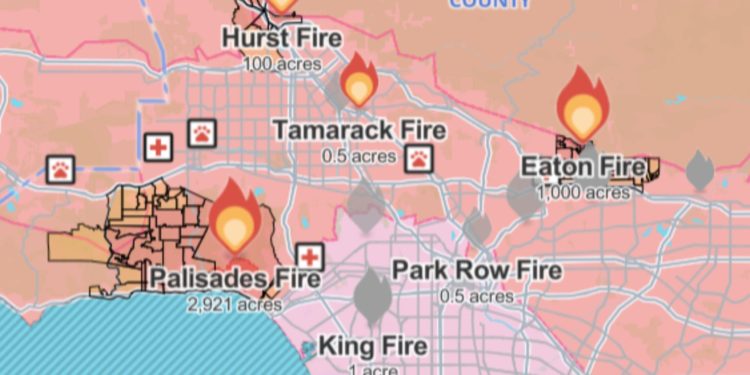
The Palisades Fire has scorched over 10,000 acres, wreaking havoc on the affluent Pacific Palisades neighborhood, renowned for its breathtaking views and celebrity homes. The inferno has forced evacuations stretching from Calabasas to the Pacific Ocean, impacting over 30,000 residents. Countless structures, including homes and the iconic Palisades Charter High School, have been reduced to rubble.
Further inland, the Eaton Fire in the San Gabriel Mountains has burned more than 10,600 acres, resulting in tragic losses, including two lives, and widespread evacuations in Sierra Madre, Altadena, and Pasadena. Meanwhile, the Hurst Fire in Sylmar has also contributed to the chaos, consuming over 500 acres.
Insurance Crisis Amid Peak Fire Season
Many homeowners in high-risk areas like Pacific Palisades and Sierra Madre have faced the sudden cancellation of their fire insurance policies mere weeks before wildfires erupted in the Los Angeles region. This has left numerous residents, including long-time homeowners, without coverage during an active fire season. The timing of these cancellations has sparked ethical debates about the practices of insurance companies, with critics questioning the morality of withdrawing coverage when the risk is at its peak. For those affected by fires like the Eaton Fire, the lack of insurance means facing significant property losses with no financial recourse.
The Role of Santa Ana Winds
The notorious Santa Ana winds have played a critical role in the rapid spread of these wildfires. These dry, hot winds blow from the inland desert toward the coast, creating ideal conditions for fires to spread uncontrollably. With gusts at times reaching 100 mph, the winds transform potentially manageable fires into catastrophic events, challenging even the most experienced firefighting teams. These winds ignite new areas by carrying embers far beyond the fire line, making containment efforts extremely challenging during peak wind events.
Regulatory Challenges
Some believe that the increasing frequency and intensity of wildfires are closely tied to the impacts of climate change. Prolonged, hotter dry seasons provide the perfect conditions for fire outbreaks, intensifying the pressure on California’s regulatory bodies. Calls for reform have centered on the need for stricter oversight of insurance companies, especially concerning policy cancellations in high-risk areas. While state regulators have attempted to balance homeowner protections with insurers’ financial realities, the ongoing crisis highlights the urgent need for more comprehensive solutions.
NEW: Woman says her parents’ fire insurance got cancelled shortly before the fires ripped through Southern California.
The woman said she is forced to defend the house herself.
“They got canceled from their fire insurance… They’re 90 years old, they’ve lived in this house for… pic.twitter.com/3mIsmhtnIE
— Collin Rugg (@CollinRugg) January 8, 2025
Governor Newsom’s Water Policies Under Scrutiny
Governor Gavin Newsom’s environmental policies, particularly water management, have come under fire amid the wildfire crisis. Critics argue that efforts such as dam removal for ecological restoration may reduce water storage capacity, a critical resource for public use and firefighting during droughts. Additionally, stringent water conservation policies limit water availability during emergencies like these wildfires, exacerbating firefighters’ challenges.
Budgetary Priorities and Fire Prevention
California’s state budget has become contentious, especially concerning fire management and prevention efforts. While controlled burns and brush-clearing programs have historically been used to mitigate wildfire risks, budget constraints have reportedly led to reduced investment in these areas. Some critics contend that the state’s financial support for illegal immigrants has diverted resources away from critical infrastructure, including fire prevention measures, leaving communities vulnerable to disasters like the current wildfires.
Tone-Deaf Moment Amidst Crisis
In a surprising turn of events during a briefing on the devastating wildfires, President Biden, who came to observe the destruction, announced his personal joy of becoming a great-grandfather during a press conference, stating, “But the good news is I’m a great-grandfather as of today. My granddaughter had a full-on baby girl—baby boy. So I’m going to remember this day for a lot of reasons.” This comment, shared on X by @KanekoaTheGreat, was perceived as yet another tone-deaf moment, diverting attention to himself away from the critical situation. Biden’s attempt to relate by mentioning a minor kitchen fire from 2004 only added to the disconnect.
Conclusion
The wildfires sweeping through Los Angeles and the Pacific Palisades underscore the complex relationship between natural disasters, state policies, and resource allocation. As affected communities begin the arduous process of rebuilding, California faces an urgent need to reassess its priorities. From ensuring fair access to fire insurance to reevaluating water and budget policies, the state must adopt a proactive approach to mitigate the risks of future disasters. The challenge lies in addressing the immediate crisis and preparing for a future where such events may become increasingly common due to regulatory gaps.