
Contributor News
Google Admits Biden Pressured Censorship: Huge Win for Free Speech

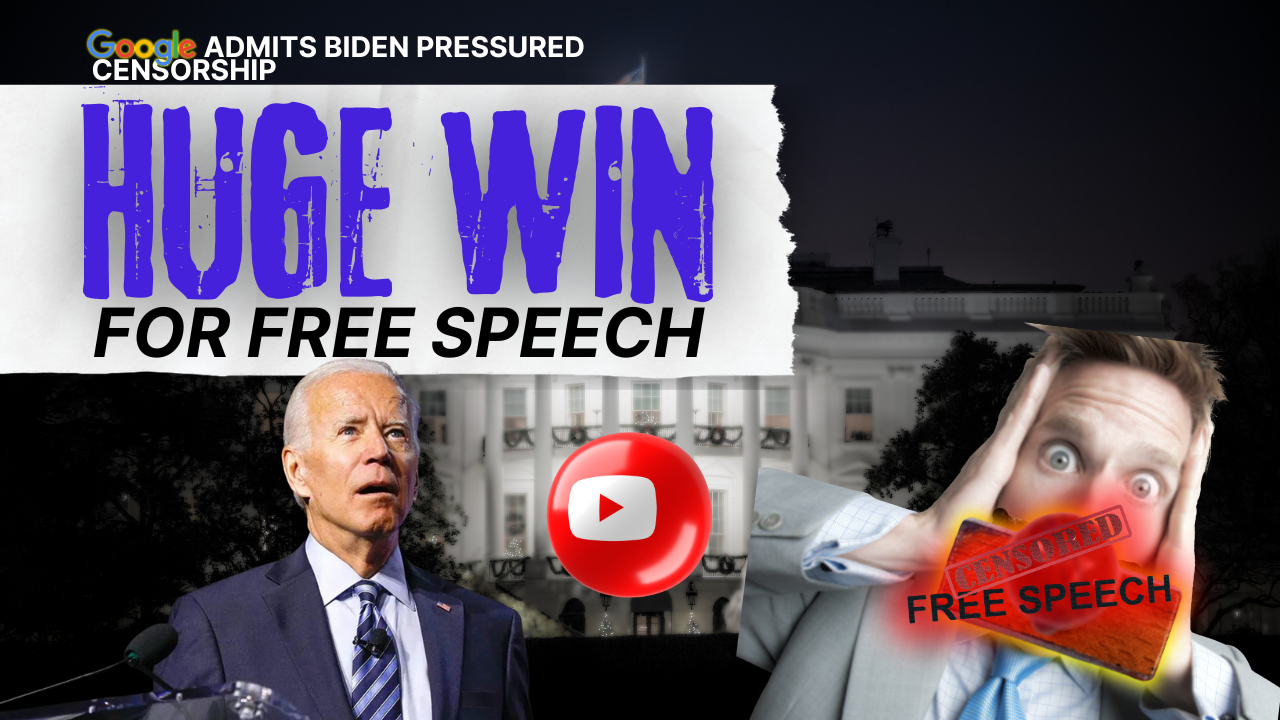
A significant victory occurred this week in the fight against Big Tech censorship. Rep. Jim Jordan announced Tuesday that Google (YouTube’s parent company) admitted to censoring content at the Biden White House’s urging—even when it didn’t violate platform policies. Topics like COVID-19 and the 2020 election were heavily targeted, disproportionately silencing conservative voices.
Following pressure from the House Judiciary Committee, which Jordan chairs, Google is now offering reinstatement to creators banned for “political speech violations.” This marks one of the biggest rollbacks of censorship policies since the Biden administration began pushing tech companies to police online speech.
Key Points from Jordan’s Announcement
Google calls the Biden administration’s pressure “unacceptable and wrong.”
The White House demanded censorship of speech that wasn’t even against YouTube’s rules.
YouTube began easing restrictions after the Judiciary Committee’s investigation launched.
The platform pledged never again to rely on “authorities” or third-party fact-checkers for censorship decisions.
Google also warned that European speech laws pose a direct threat to American free speech and U.S. tech companies.
This follows Meta CEO Mark Zuckerberg’s August 2024 admission that Facebook faced similar political pressure, including suppressing the Hunter Biden laptop story.
Jordan credited the committee’s oversight with driving these changes, calling it a victory for the First Amendment. The full letter from Google is available on the House Judiciary Committee’s website.
Google’s Admission and Its Impact
In a letter dated September 23, 2025, to the House Judiciary Committee, Google explicitly admitted that senior Biden officials—including White House staff—conducted “repeated and sustained outreach” to pressure YouTube into removing COVID-19 and election-related content.
This pressure led to policy changes that censored lawful speech, and Google now acknowledges it was wrong. As a result, YouTube is offering a one-time policy allowing banned accounts to apply for reinstatement if their removals were tied to these topics.
Conservatives bore the brunt of this censorship because the targeted content often aligned with skepticism on issues like vaccine mandates, lockdowns, and election integrity.
Examples include:
Conservative podcaster Dan Bongino, whose YouTube channel was permanently banned in 2022 for questioning COVID policies and election results—content now eligible for reinstatement.
Thousands of channels, including PragerU, The Daily Wire, and independent creators, demonetized or removed for questioning the official COVID narrative.
Election-related bans targeting Trump supporters and GOP voices who raised concerns about voter fraud during 2020–2021.
Removal of satirical or opinion-based videos that criticized Biden policies, even when they broke no platform rules.
This shows a clear double standard: conservative voices were aggressively censored, while left-leaning content skated by with far less scrutiny.
Zuckerberg’s Admission on Facebook Censorship
Mark Zuckerberg, in an August 26, 2024 letter to the Judiciary Committee, confirmed that the Biden administration “repeatedly pressured” Meta to censor COVID-related content—including satire and humor.
He admitted that Meta complied, downgrading or removing posts instead of pushing back publicly. Zuckerberg also revealed that Facebook suppressed the New York Post’s Hunter Biden laptop story at the FBI’s urging, just weeks before the 2020 election—a move that shielded damaging information about Joe Biden from voters.
The pressure overwhelmingly targeted conservative voices—pages opposing lockdowns, questioning vaccine safety, or criticizing Biden’s policies were throttled, shadow-banned, or outright removed.
Even large outlets like Breitbart and Fox News saw their reach restricted on stories critical of the administration.
In a January 2025 appearance on The Joe Rogan Experience, Zuckerberg described Biden officials “screaming” and “cursing” at Meta staff to enforce content removals—underscoring the heavy-handed tactics.
Committee reports show this was part of a coordinated pressure campaign in which the White House worked directly with Big Tech to flag and silence “disinformation,” which in practice almost always meant conservative content.
Grassroots and Reactions
Sen. Chuck Grassley echoed Jordan’s warnings, stressing that Big Tech must never again collude with government to suppress lawful speech.
On social media, conservatives are calling this a reckoning. Many are celebrating the opportunity for banned creators to reclaim their platforms, while also pointing out the hypocrisy of the left—who denounce censorship when it impacts them but cheered it under Biden.
This isn’t just one victory; it’s part of a broader battle. Supreme Court rulings in 2023–2024 rejected claims of government coercion, but these revelations show the pressure was very real and ongoing.
For conservatives, these admissions confirm what they long suspected: the Biden administration weaponized Big Tech to crush dissent and stifle debate on the nation’s most critical issues. Now, with Google and Meta forced to acknowledge their role, momentum is shifting back toward free expression online.