
Contributor News
Elon Musk Calls for Judicial Impeachments as USAID Scandal Unfolds

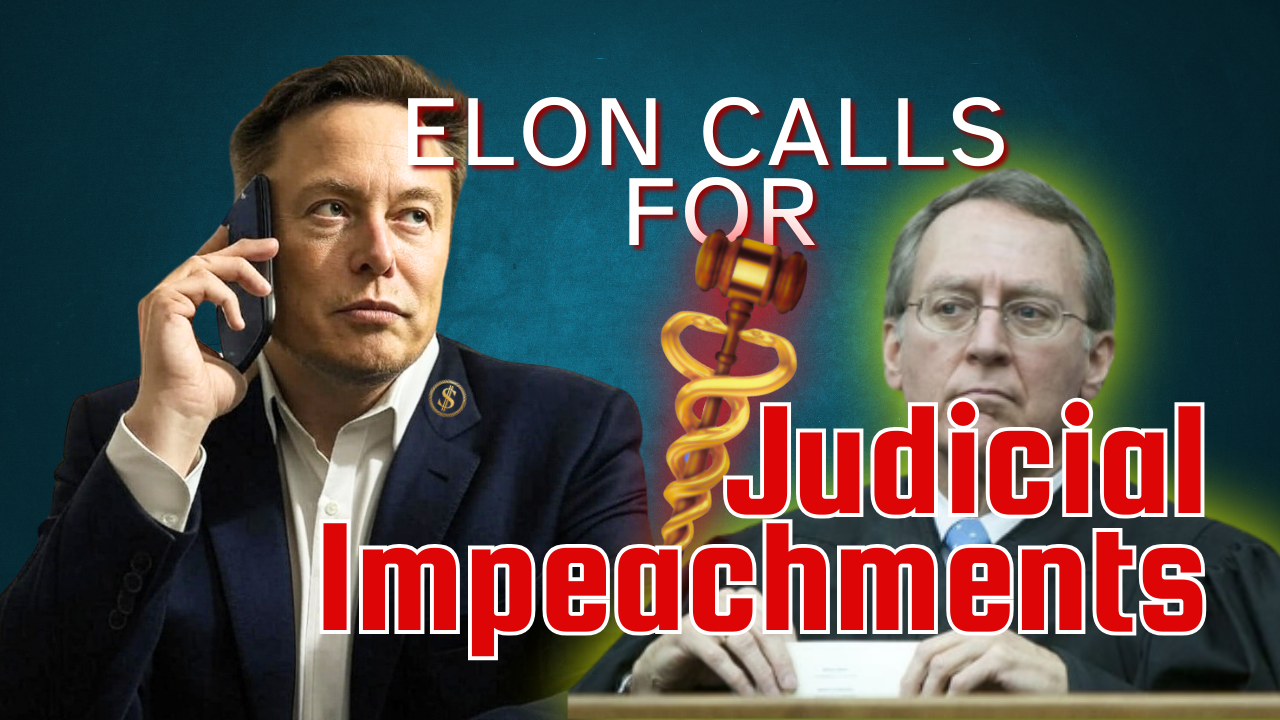
A controversial revelation has emerged amid ongoing investigations into USAID funding and potential conflicts of interest. Judge John Bates, known for blocking key Trump administration policies, is married to Carol Rhees, the founder of a USAID-funded NGO. This connection has ignited heated debates over judicial impartiality, particularly as Elon Musk calls for a “wave of judicial impeachments.”
There needs to be an immediate wave of judicial impeachments, not just one https://t.co/3guKf3BBOk
— Elon Musk (@elonmusk) February 12, 2025
Judicial Power, Political Agendas & Conflicts of Interest
Judge Bates has presided over high-stakes cases with direct implications for presidential policies, often ruling against initiatives tied to conservative agendas. Meanwhile, his wife, Carol Rhees—a Democrat attorney—founded Hope for Children in Ethiopia, which has received long-term USAID funding.
This ideological entanglement understandably raises serious ethical concerns. Should a judge overseeing executive authority and government funding cases have close family ties to an organization benefiting from those very policies? Critics argue this represents a potential conflict of interest, especially when judicial rulings align with ideological narratives or inadvertently reinforce the influence of left-leaning institutions.
Legal Experts Sound the Alarm
Prominent voices in the legal and constitutional space have weighed in:
- Tom Fitton, President of Judicial Watch, has long decried judicial activism and the erosion of constitutional balance. “Judges should interpret the law, not create policy,” Fitton emphasized, underscoring concerns that courts have increasingly been used as political tools.
- Jay Sekulow, Chief Counsel for the American Center for Law and Justice (ACLJ), warns of a “constitutional crisis” if judicial overreach continues unchecked. “The judiciary must respect the separation of powers,” Sekulow stated. “When judges step into executive authority—especially in national security and foreign policy matters—it weakens the presidency and distorts our legal framework.”
These concerns are heightened by cases where judicial rulings have effectively shaped political outcomes, overriding executive decisions rooted in national security and policy reforms.
When Judges Override Executive Orders
Judges wield the power to review and challenge executive orders (EOs) under judicial review—a principle established in Marbury v. Madison. However, this power has limits. Courts may only intervene if an EO:
✔ Violates the Constitution
✔ Contradicts federal law
✔ Is arbitrary or capricious under the Administrative Procedure Act (APA)
Yet, in recent years, some high-profile rulings have sparked accusations of judicial overreach, including:
- San Francisco v. Trump – The Ninth Circuit blocked an EO that would cut federal funding to sanctuary cities, siding with progressive-leaning states.
- DACA Rescission Cases – Courts intervened to prevent the Trump administration from rolling back Obama-era immigration policies, citing procedural technicalities rather than their constitutionality.
- Trump’s Immigration Orders – Multiple judges issued stays on border security measures, arguing due process concerns despite presidential authority over immigration policy.
These cases have fueled concerns that judges increasingly insert ideological preferences into legal rulings, potentially undermining the intended balance of power.
Elon Musk’s Call for Judicial Impeachment
Elon Musk’s post on X has brought increased awareness and amplified public frustration with judicial activism. While federal judges are rarely impeached, the Constitution does allow it for misconduct or conflicts of interest. The fact that Judge Bates’ rulings impact policies that directly involve his wife’s organization could be seen as grounds for scrutiny.
Many are rightfully questioning whether judges with ideological and personal ties to political funding sources can rule on cases affecting them.
What’s Next? The Fight for Judicial Integrity
As this judicial controversy unfolds, expect increasing debate over:
- Judicial impartiality in politically charged cases
- The role of courts in shaping executive power
- The growing influence of NGOs & federal funding in judicial decisions
- Whether impeachment proceedings should be considered for ideological bias
Legal experts like Fitton and Sekulow remain at the forefront, pushing for a judiciary that upholds the Constitution’s balance of power rather than acting as an activist bench.
Conclusion
The intersection of judicial rulings, ideological influence, and personal connections is a serious concern with long-term implications for American governance. As scrutiny over Judge Bates’ ties to USAID funding grows, this case could become a flashpoint in the larger battle over judicial accountability and government transparency.
With Musk’s call for impeachment gaining traction and legal watchdogs demanding answers, this debate will not fade anytime soon.