Contributor News
DOJ Faces Scrutiny Over Release of Assassin’s Letter & Delayed Tennessee Shooter Manifesto
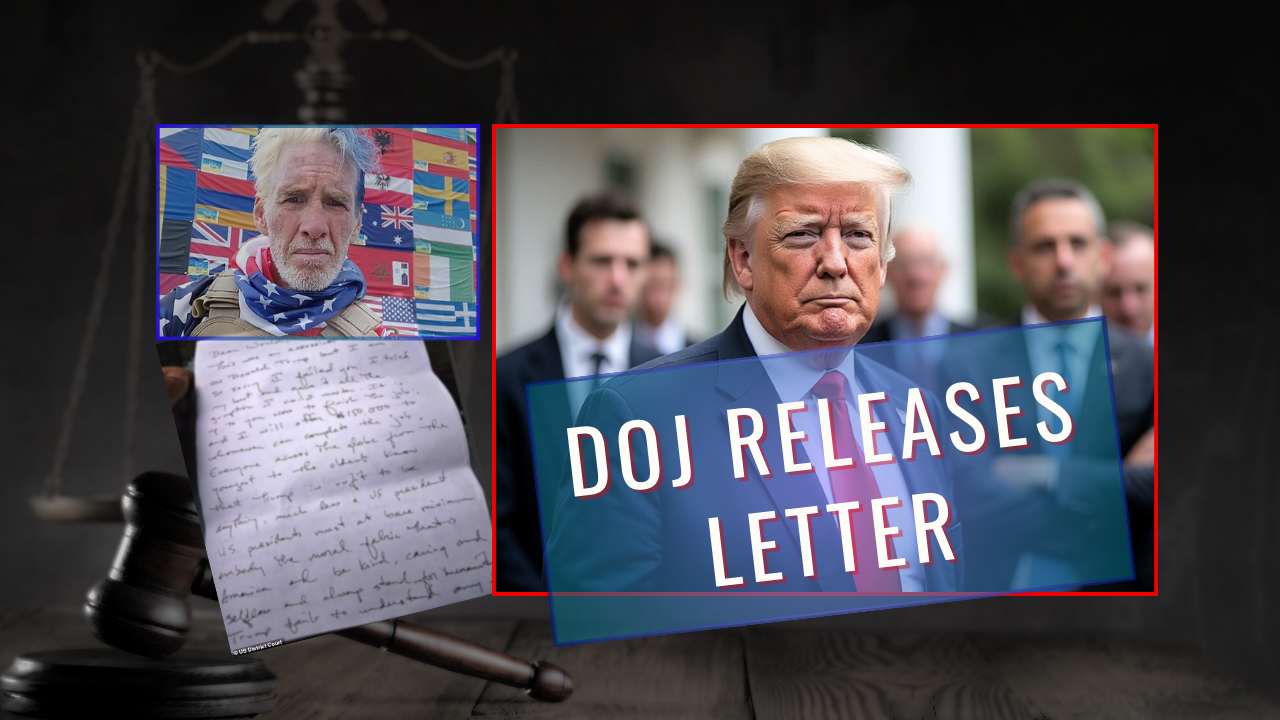
The U.S. Department of Justice (DOJ) is under fire after releasing a letter written by Ryan Wesley Routh, the man charged with an attempted assassination of former President Donald Trump. In the letter, Routh confesses to his plan and offers a $150,000 bounty for Trump’s murder. While this release was made quickly, it’s sparked a new wave of criticism—especially when compared to how long the DOJ took to release another controversial document, the manifesto of a transgender school shooter from Nashville, in 2023.
Routh’s letter has stirred major concerns about public safety for President Trump. The letter’s contents, which outline a failed assassination plot and offer money for his murder, have raised fears that making such details public could encourage copycat crimes. Some believe the DOJ acted irresponsibly by publicizing the letter, arguing that it could increase the danger for political figures, especially Trump.
President Trump posted his response not long after the DOJ publicized the letter.

The timing of this release is also raising eyebrows, as Trump is currently involved in several legal battles. Many are questioning whether the DOJ had political motives behind the release, wondering why this information was made public now and how it could affect ongoing cases.
Adding fuel to the fire is the DOJ’s handling of the Nashville school shooting case from last year. After a transgender shooter killed six people at a school, it came to light that the shooter had left behind a manifesto. Despite widespread calls for its release, the DOJ held the manifesto back for months, citing concerns over public safety and the sensitive nature of its contents.
This delay has been criticized as inconsistent, especially when compared to the quick release of Routh’s letter. Many argue that if the DOJ can swiftly release a letter involving threats to a former president, it should have acted more quickly in releasing the manifesto, which could offer insight into the motives behind a devastating crime. The stark difference in handling the two documents has led to an outcry of hypocrisy. Critics claim the DOJ is selective about what information it releases, possibly based on political factors. In the case of the Nashville shooting, some believe the manifesto was withheld because of the shooter’s identity and its possible impact on sensitive cultural debates.
While supporters of the DOJ argue that each case involves different risks and challenges, the timing of these releases has fueled ongoing skepticism. The public is left wondering whether the DOJ applies the same standards of transparency in all situations or if political and social concerns are influencing its decisions.
Not surprisingly, the DOJ’s actions regarding these two high-profile cases have created controversy. While Routh’s letter was released quickly, the delayed release of the Tennessee shooter’s manifesto has raised questions about fairness and consistency in the justice system. As the public continues to debate the DOJ’s decision-making process, concerns about transparency, safety, and political influence remain at the forefront.