
Contributor News
Black Lives Matter Leader Responds to Daniel Penny Verdict: Calls for Action

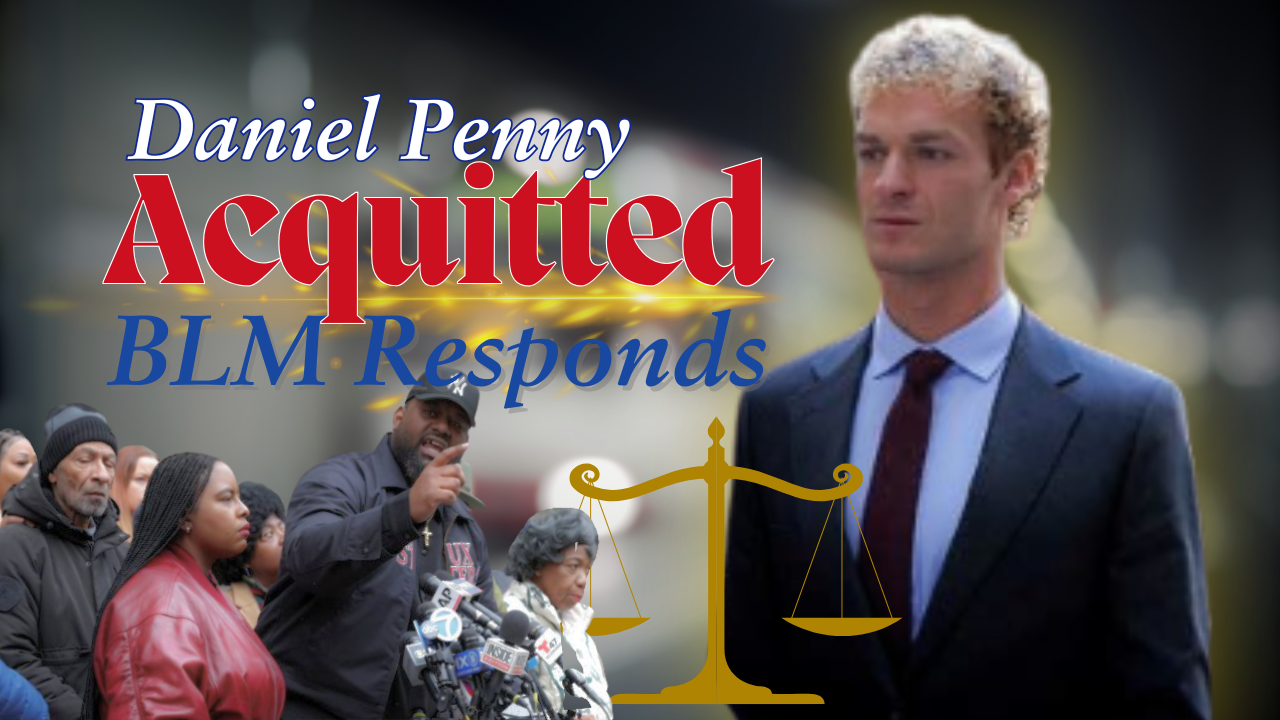
Monday’s acquittal of Daniel Penny in the subway chokehold death of Jordan Neely has set off heated debates across the country. Black Lives Matter leader Hawk Newsome made headlines with a bold and controversial statement, urging “black vigilantes” to “get active.” Many have interpreted this as a call for vigilante justice—or even potential violence—particularly in cities like New York and Seattle.
BREAKING: BLM leader Hawk Newsome calls for “black vigilantes” to get active following Daniel Penny’s acquittal pic.twitter.com/YoBUXOW9Yr
— End Wokeness (@EndWokeness) December 9, 2024
This reaction has thrown a spotlight on more significant questions about justice, self-defense, and the growing frustration with how the legal system handles cases involving minority victims. Newsome’s comments reflect a deep mistrust in law enforcement and the courts, echoing sentiments that traditional systems are failing to deliver justice.
What Happened in the Daniel Penny Case?
Daniel Penny, a former Marine, became a central figure in a national conversation about self-defense and public safety after an incident on a New York City subway on May 1, 2023. Jordan Neely, who was homeless and experiencing a mental health crisis, began yelling and threatening passengers. Penny stepped in, restraining Neely with a chokehold that tragically led to his death. Others also assisted Penny in restraining Neely.
Penny was arrested and charged with manslaughter and criminally negligent homicide, sparking heated debate over whether his actions were justified. Additionally, Jordan Neely had an extensive arrest record, which included:
- 40+ arrests, with his first arrest occurring when he was 14 years old.
- Charges included:
- Felonies such as assault and child endangerment.
- Misdemeanors like fare evasion, public urination, and theft.
Neely was known to have an active arrest warrant at the time of his death. Much of his criminal activity was related to public disturbances, often stemming from his struggles with mental health issues, including schizophrenia. Despite multiple arrests, he was frequently released back into the public, contributing to his repeated encounters with law enforcement. His record highlights problematic issues surrounding mental health care, homelessness, and the criminal justice system’s handling of such cases.
Prosecutors claimed Penny’s chokehold was reckless, and he should have known the risks. However, his defense team argued he was only trying to protect himself and others until police could intervene.
Penny was acquitted of all charges, with the jury agreeing that his actions were not criminal.
Why Critics Say Penny Shouldn’t Have Been Charged
Many argue Penny’s case never should have gone to trial in the first place. Here’s why:
- Self-Defense and Public Safety: Penny acted in what he believed was self-defense and in defense of the passengers around him. With no immediate police presence, civilians are sometimes forced into dangerous situations they didn’t create.
- No Intent to Harm: Penny’s defense highlighted that he never intended to kill Neely but only wanted to subdue him until help arrived.
- A Bigger Problem: The case raises concerns about public safety on mass transit, especially when there’s no immediate response by law enforcement to escalating threats.
The Aftermath: New York BLM Leader Newsome’s Call for Action
Penny’s acquittal hasn’t only fueled legal debates—it ignited social and political tensions. Hawk Newsome’s call for “black vigilantes” has alarmed many and raised concerns about public safety. Some worry his comments could inspire unrest or lead to more violence.
At the same time, Newsome’s rhetoric sheds light on another issue: distrust in the legal system. For many in communities of color, the message isn’t about violence but about taking control when they feel the system has failed them.
Moving Forward
The fallout from Daniel Penny’s trial and Newsome’s statements highlights the challenges our society faces today. From mental health crises in public spaces to systemic distrust in law enforcement and the courts, these issues demand serious attention.
This case is a stark reminder of the need for better mental health resources, stronger public safety protocols, and necessary reforms in the justice system. It’s a conversation we need to keep having to ensure fairness, safety, and accountability for everyone.