
Contributor News
Amnesty or Deportation? Kamala Harris’s Controversial Immigration Policies.

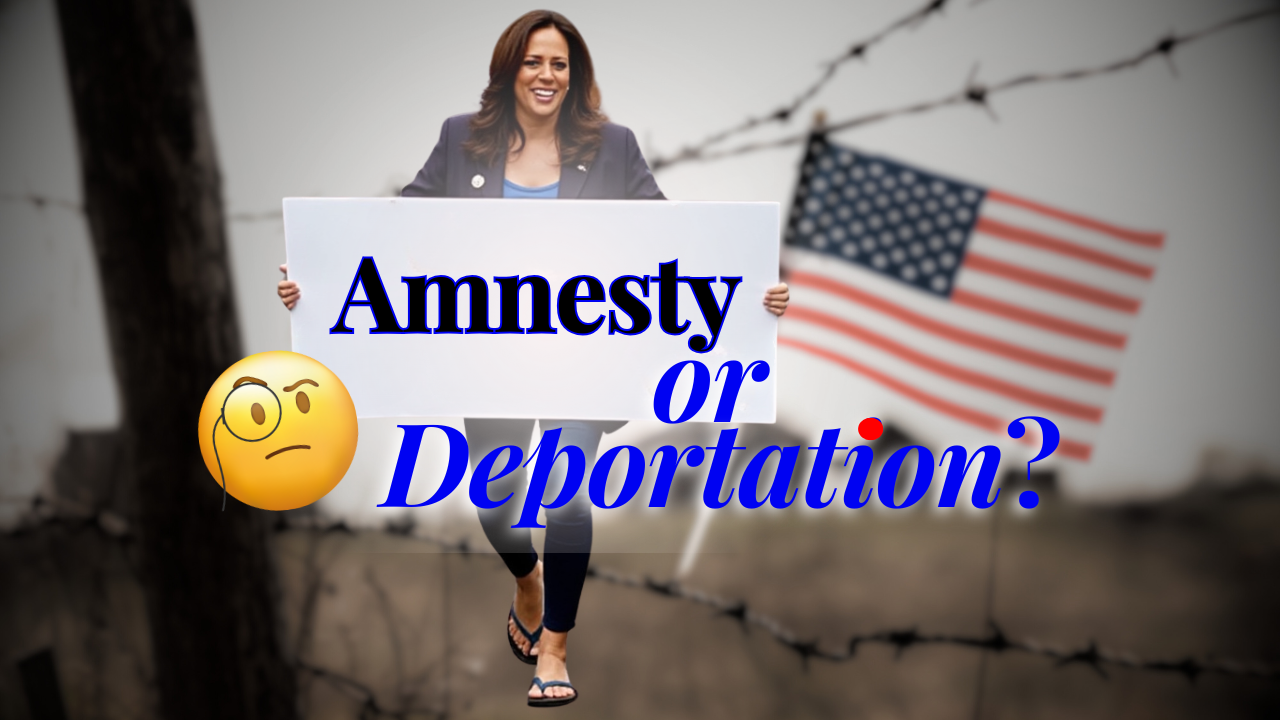
Vice President Kamala Harris’s recent policy announcements regarding immigration are stirring significant debate. Some argue that her moves to oppose deportations and support amnesty for illegal immigrants are less about policy reform and more about a strategic play for votes, particularly from the millions who have entered the country under the current administration’s watch.
Harris recently spoke with Telemundo:
🚨 JUST IN: Kamala Harris just OPENLY ADMITTED she’s pushing for mass amnesty for illegal immigrants, and will refuse to deport them
This is enraging.
Mass amnesty for the 20+ MILLION illegals Kamala imported would permanently turn America into a Democrat-controlled hellscape,… pic.twitter.com/43AT5QZOUv
— Nick Sortor (@nicksortor) October 23, 2024
Harris’s approach includes advocating for a pathway to citizenship for illegal immigrants, a stance that some have interpreted as a weak, eleventh-hour attempt to galvanize a significant voter base. With approximately 21 million illegal immigrants currently in the U.S., this policy could have substantial electoral implications.
- Political Survival or Policy Reform?: Some say this move is born out of desperation rather than a genuine belief in immigration reform. They point out that by potentially turning illegal immigrants into voters, Harris could be attempting to offset her campaign’s vulnerabilities.
- The Border Crisis and Public Perception: These policy announcements have come about amidst ongoing discussions about border security and immigration control. Some argue that Harris and her administration have exacerbated a crisis at the border, only to now offer solutions that could benefit them politically. This has led to claims that Harris is more interested in political survival than in solving the root causes of immigration issues or addressing national security concerns.
- Public Reaction and the Rule of Law: There’s a palpable frustration among segments of the American public who feel that supporting amnesty undermines the rule of law. Legal immigrants and citizens who’ve followed the prescribed processes for residency and citizenship see this as an insult to the legal pathways to citizenship. Furthermore, this policy direction raises concerns over the burdens placed on public resources and the job market.
- The Timing Amid Domestic Challenges: The backdrop to Harris’s immigration strategy includes domestic issues like the recovery efforts in Western North Carolina post-hurricane, where local American communities are still awaiting adequate aid. Many have highlighted the contrast between the government’s overseas financial commitments and the domestic relief efforts, suggesting misplaced priorities when citizens are in dire need.
Conclusion
Kamala Harris’s immigration policies, particularly her stance on amnesty and against deportation, have ignited a debate beyond immigration, touching on themes of fairness, legal integrity, and political strategy. While her supporters might see these policies as steps towards a more inclusive America, many view them as calculated moves in the chess game of electoral politics. As the election approaches, how these policies resonate with voters could decide the efficacy of Harris’s strategy, reflecting broader sentiments about immigration, legality, and national identity in contemporary America.