
Contributor News
Trump Calls It Treason: Biden’s Autopen Scandal Explodes

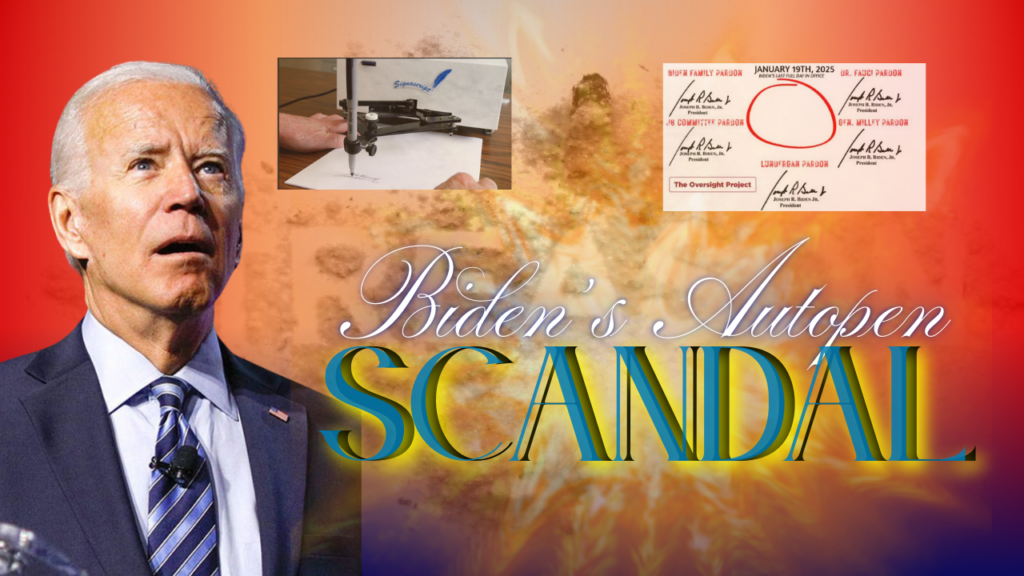
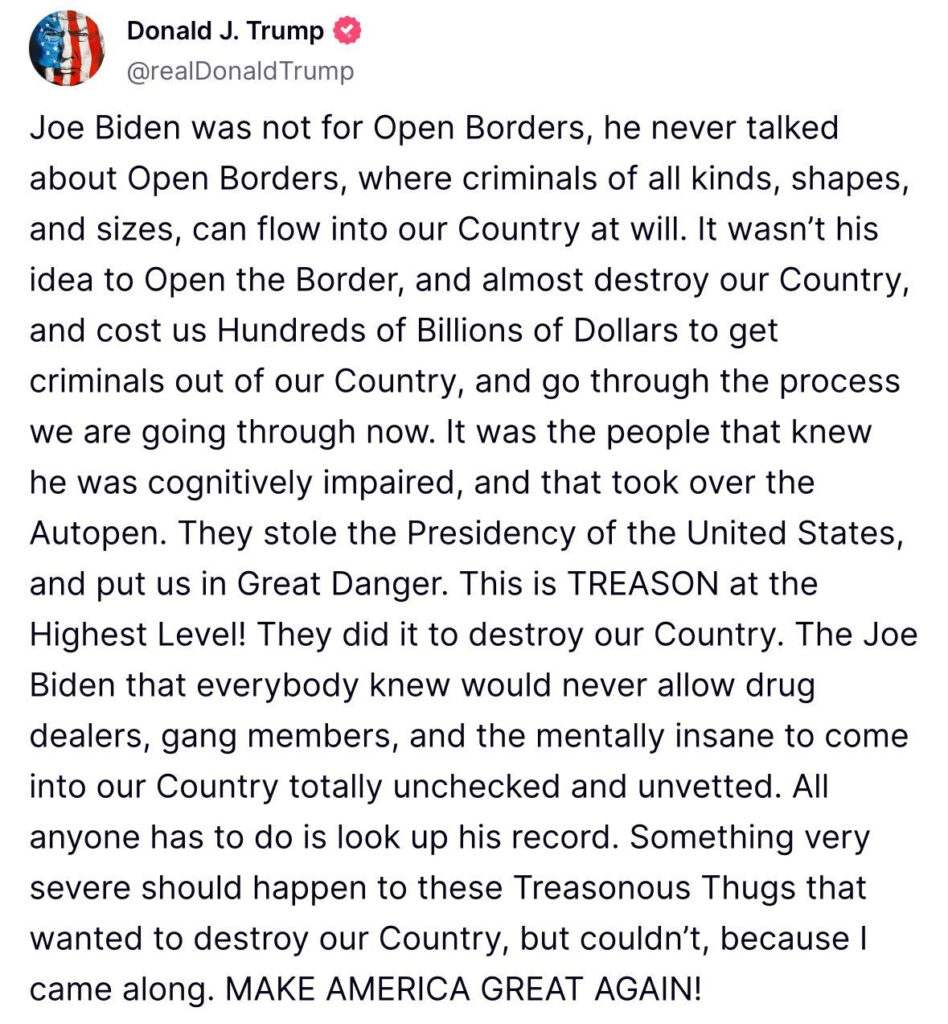
President Trump released a statement on Truth Social Tuesday, declaring that former President Biden was not in favor of an open borders policy. Instead, Trump alleged that others acted in Biden’s name—using the Autopen—costing taxpayers billions and allowing criminals, drug dealers, and the mentally ill into the country.
“Biden was not for open borders… They stole the presidency. This is TREASON at the highest level!”
Not surprisingly, controversy over President Biden’s use of the Autopen during his term has intensified. House Oversight Committee Chairman James Comer (R-KY) has announced an expanded investigation. This development comes just days after the May 19, 2025, announcement that Biden has been diagnosed with aggressive prostate cancer—news that has reignited questions about his health and decision-making capacity while in office.
Comer, in a Fox News segment as part of the Hannity Special, outlined the committee’s focus on the Autopen probe, especially during the period when Biden was allegedly in cognitive decline. The investigation will examine who was truly making executive decisions during the final nine months of his presidency—a time that included sweeping actions like pardons for Biden’s family, allegedly signed with an Autopen.
The Autopen—a device that replicates a handwritten signature—has long stirred legal debate, particularly over its constitutionality when the president is not physically present. Biden’s case has reignited that debate, with higher stakes due to the nature of executive orders and preemptive pardons. Comer said the committee has likely identified the staffers involved in the Autopen process and plans to bring them in for transcribed interviews, potentially followed by subpoenas and formal depositions.
The Independent reported on May 17, 2025, that the scandal has grown, quoting Trump’s Truth Social post calling the situation a “cover-up.” Trump focused especially on preemptive pardons granted to political allies and members of Biden’s family, as both a legal and constitutional crisis.
Biden’s health has become a key part of the controversy. His office confirmed on May 19 that cancer had spread to the bone, following earlier concerns about benign prostate enlargement. These revelations have deepened concerns over whether serious, undetected health issues may have impaired his ability to govern effectively.
The House Oversight Committee’s investigation seeks to uncover what it sees as a deliberate cover-up, potentially shaking public confidence in presidential accountability and the democratic process itself. The issue goes beyond mechanical signatures—raising serious questions about presidential fitness, decision-making legitimacy, and transparency in executive power. As the investigation unfolds, its political fallout could be seismic.